

Vulnerability handling cyber resilience act requirements focus on how organizations identify, assess, and fix security weaknesses in real conditions. It is not only about documenting risks but actively managing them throughout the lifecycle.
From our experience, organizations that treat vulnerability handling as a continuous process respond faster and reduce impact significantly. This article explains how to implement effective vulnerability handling aligned with the Cyber Resilience Act. Keep reading to understand the full approach.
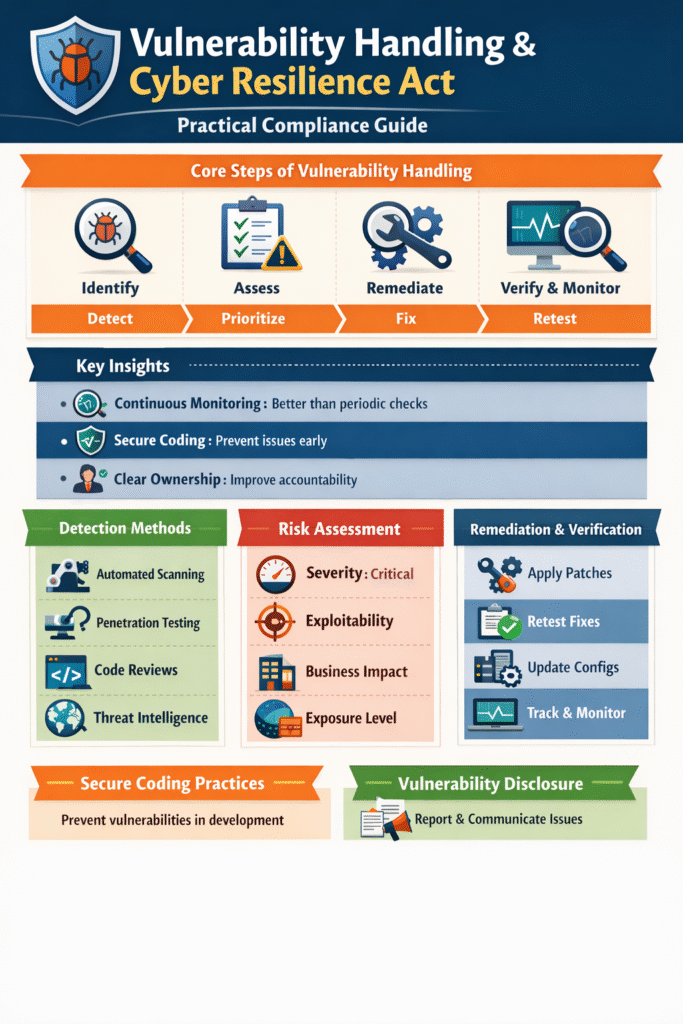
Key Insights on Vulnerability Handling Cyber Resilience Act
Before diving deeper, these are the most important insights:
- Continuous monitoring is more effective than periodic checks
- Secure Coding Practices reduce vulnerabilities from the start
- Clear ownership improves response speed and accountability
What is Vulnerability Handling Cyber Resilience Act
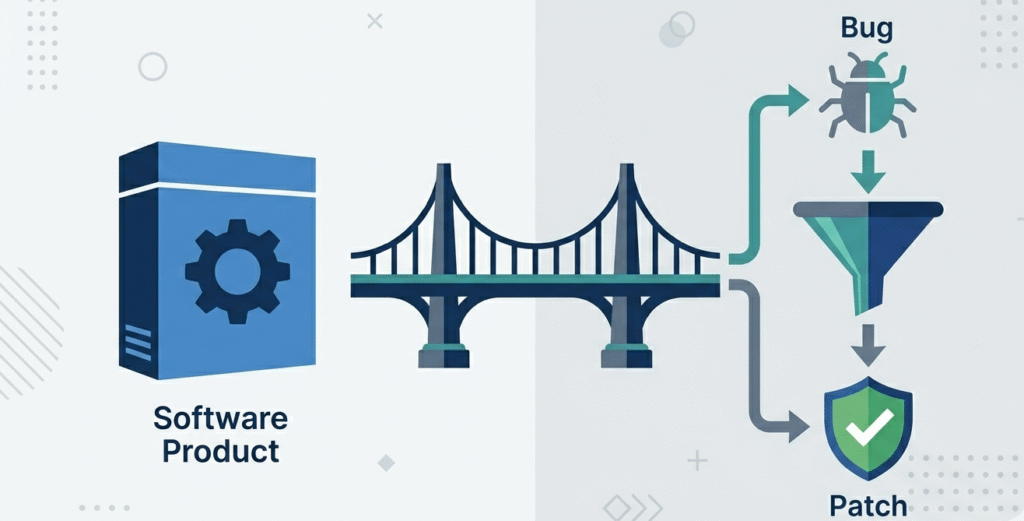
Vulnerability handling cyber resilience act refers to structured processes required to detect, evaluate, and remediate vulnerabilities in digital products and systems. Organizations must ensure vulnerabilities are managed throughout the entire lifecycle, not only after deployment.
“A vulnerability is a weakness which can be exploited by a threat actor.” – Wikipedia
From our experience, teams often struggle not with detection but with prioritization and response timing.
Core requirements include:
- Identifying vulnerabilities continuously
- Assessing risk severity
- Applying timely remediation
- Verifying fixes
- Documenting actions
Vulnerability Identification and Detection
Credits: Somco Software
Effective vulnerability handling starts with identifying risks early and consistently. Waiting for incidents is not an option under the Cyber Resilience Act.
We have seen organizations improve significantly when they combine automated tools with manual validation.
Detection methods:
- Automated vulnerability scanning
- Penetration testing
- Code reviews
- Threat intelligence integration
Early detection reduces cost and prevents escalation into major incidents.
Risk Assessment and Prioritization
Not all vulnerabilities carry the same level of risk. The Cyber Resilience Act emphasizes prioritizing vulnerabilities based on their impact and likelihood. Integrating vulnerability and risk management ensures that teams don’t waste time fixing low-risk issues while critical vulnerabilities remain open.
“Effective vulnerability management requires continuous identification, evaluation, and remediation of security weaknesses.” – ResearchGate
In practice, many teams waste time fixing low-risk issues while critical vulnerabilities remain open.
Risk prioritization factors:
- Severity (critical, high, medium, low)
- Exploitability
- Business impact
- Exposure level
A risk-based approach ensures resources are used effectively.
Remediation and Patch Management
Once vulnerabilities are identified, organizations must act quickly to fix them. Adhering to specific patch management requirements reduces exposure and ensures that updates are tested thoroughly before deployment to prevent further damage.
We always emphasize Secure Coding Practices early because preventing vulnerabilities reduces the need for constant patching later.
Remediation steps:
- Apply patches or fixes
- Update configurations
- Replace vulnerable components
- Test fixes before deployment
Timely remediation is one of the strongest indicators of effective vulnerability handling.
Verification and Continuous Monitoring
Fixing a vulnerability is not the final step. Verification ensures that the issue is fully resolved and does not reappear. From our experience, skipping verification leads to recurring issues and hidden risks.
Key activities:
- Retesting systems after fixes
- Continuous monitoring
- Logging and tracking vulnerabilities
- Updating risk status
Continuous monitoring ensures long-term compliance and resilience.
Integration with Vulnerability Disclosure
Vulnerability handling cyber resilience act is closely linked with cyber resilience act vulnerability disclosure. Organizations must report vulnerabilities responsibly and transparently. A robust vulnerability disclosure framework ensures that reporting channels are clear and that stakeholders can respond quickly to newly discovered threats.
A strong disclosure process ensures that stakeholders can respond quickly and effectively.
Disclosure practices:
- Establish reporting channels
- Define response timelines
- Communicate with authorities
- Coordinate with researchers
Role of Secure Coding Practices
We position Secure Coding Practices as the first layer of vulnerability handling. Preventing vulnerabilities during development reduces the overall risk significantly. This approach shifts security left, making it part of the development process rather than a separate step.
Key practices include:
- Input validation
- Secure authentication
- Data protection
- Secure dependency usage
When applied consistently, these practices reduce vulnerability volume and improve software quality.
Vulnerability Handling Workflow
| Stage | Action | Outcome |
| Identification | Detect vulnerabilities | Early risk awareness |
| Assessment | Prioritize risks | Focus on critical issues |
| Remediation | Apply fixes | Reduce exposure |
| Verification | Retest systems | Ensure effectiveness |
| Monitoring | Continuous tracking | Maintain security posture |
Common Challenges in Vulnerability Handling
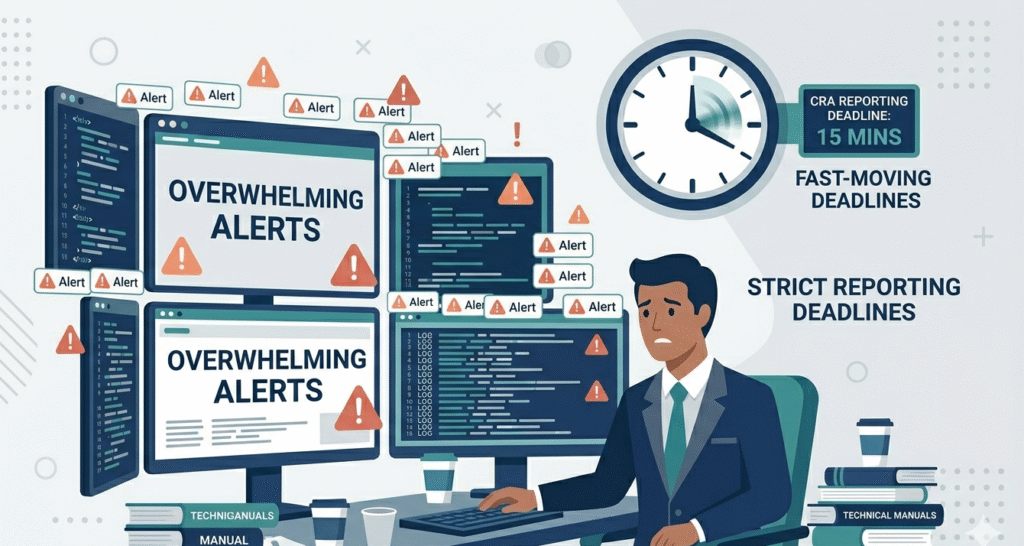
Many organizations face similar challenges when implementing vulnerability handling under the Cyber Resilience Act.
Common issues and solutions:
- Lack of ownership → Assign clear responsibilities
- Slow remediation → Automate workflows
- Poor visibility → Centralize monitoring tools
- Inconsistent processes → Standardize procedures
Addressing these challenges improves efficiency and compliance.
FAQ
What is vulnerability handling cyber resilience act?
It is a structured approach to identifying, assessing, and fixing vulnerabilities in compliance with the Cyber Resilience Act. It ensures continuous monitoring, timely remediation, and proper documentation to reduce risks and improve system security.
Why is vulnerability handling important for compliance?
It ensures organizations actively manage security risks rather than reacting after incidents. Proper vulnerability handling helps meet regulatory requirements and reduces the likelihood of security breaches.
How does risk prioritization work in vulnerability handling?
Risk prioritization involves evaluating vulnerabilities based on severity, exploitability, and business impact. This ensures critical vulnerabilities are addressed first, improving efficiency and reducing overall risk.
How do Secure Coding Practices support vulnerability handling?
Secure Coding Practices prevent vulnerabilities during development. By reducing the number of issues introduced, they lower the need for remediation and improve overall system security.
Final Insight on Vulnerability Handling Cyber Resilience Act
Vulnerability and risk management under the Cyber Resilience Act requires continuous execution, not just compliance. Organizations combining structured processes, Secure Coding Practices, and real-time monitoring achieve better results.
By focusing on early detection, fast remediation, and consistent verification, teams reduce risk significantly. Strengthening vulnerability handling across all stages helps organizations meet legal requirements while building more secure, resilient systems. Join the Secure Coding Practices Bootcamp
References
- https://en.wikipedia.org/wiki/Vulnerability_(computing)
- https://www.researchgate.net/publication/Vulnerability_Management_Processes