
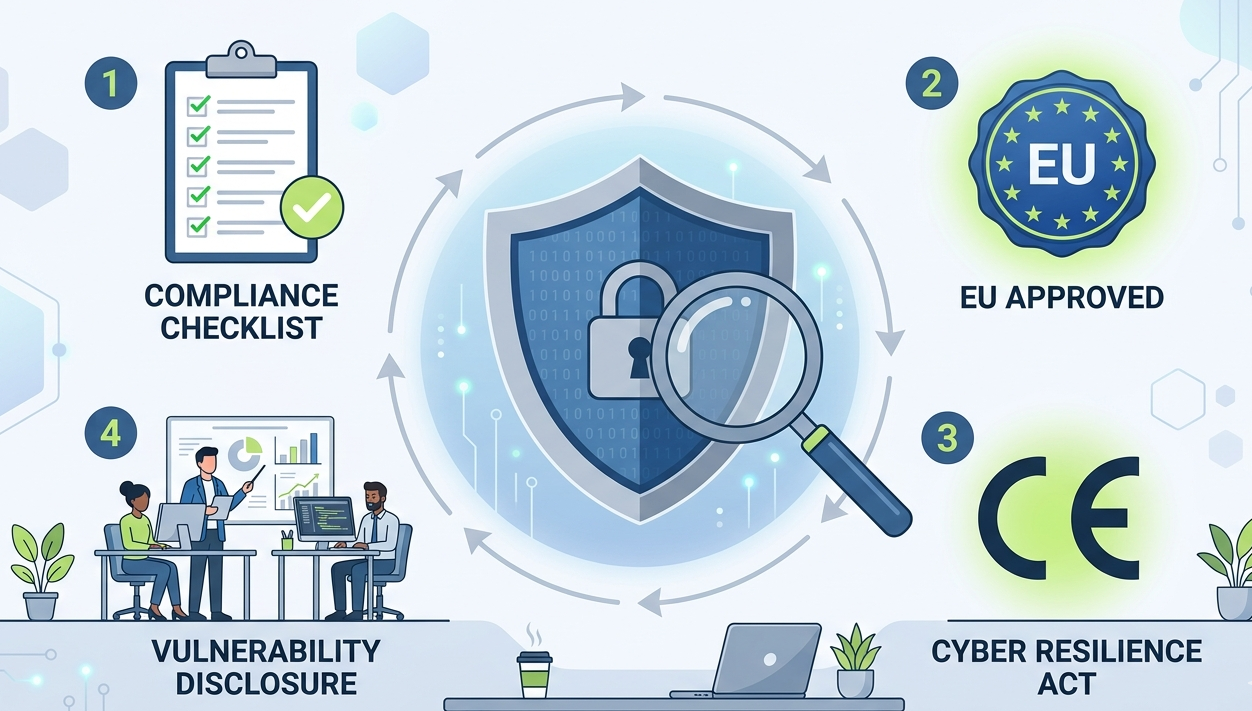

The cyber resilience act certification process is becoming a core requirement for software providers entering regulated markets. From our experience, certification is not just about passing an audit, it’s about proving consistent security across the entire product lifecycle. Many teams struggle because they treat compliance as a final step, not an ongoing process.
This article explains the certification process clearly, including steps, challenges, and how to prepare effectively. If you want smoother audits and fewer compliance risks, keep reading.
Key Insights on Cyber Resilience Act Certification Process
The cyber resilience act certification process requires both technical and organizational readiness.
- Certification is lifecycle-based, not one-time
- Secure Coding Practices improve success rate
- Documentation is as critical as code
What Is the Cyber Resilience Act Certification Process
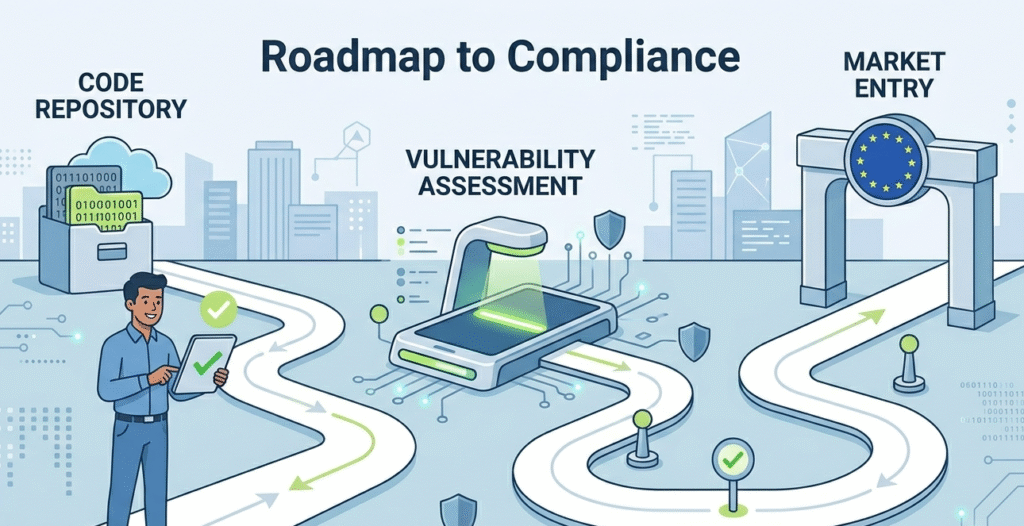
The cyber resilience act certification process ensures that software products meet security requirements before and after entering the market.
- Applies to software and connected products
- Requires risk assessment and mitigation
- Includes conformity assessment procedures
- Demands post-market monitoring
“Certification is a process of verifying that a product meets certain standards.” – :Wikipedia
In practice, certification focuses on both prevention and accountability. Failing to meet these standards can trigger strict compliance and enforcement actions from regulatory bodies.
Key Steps in the Certification Process
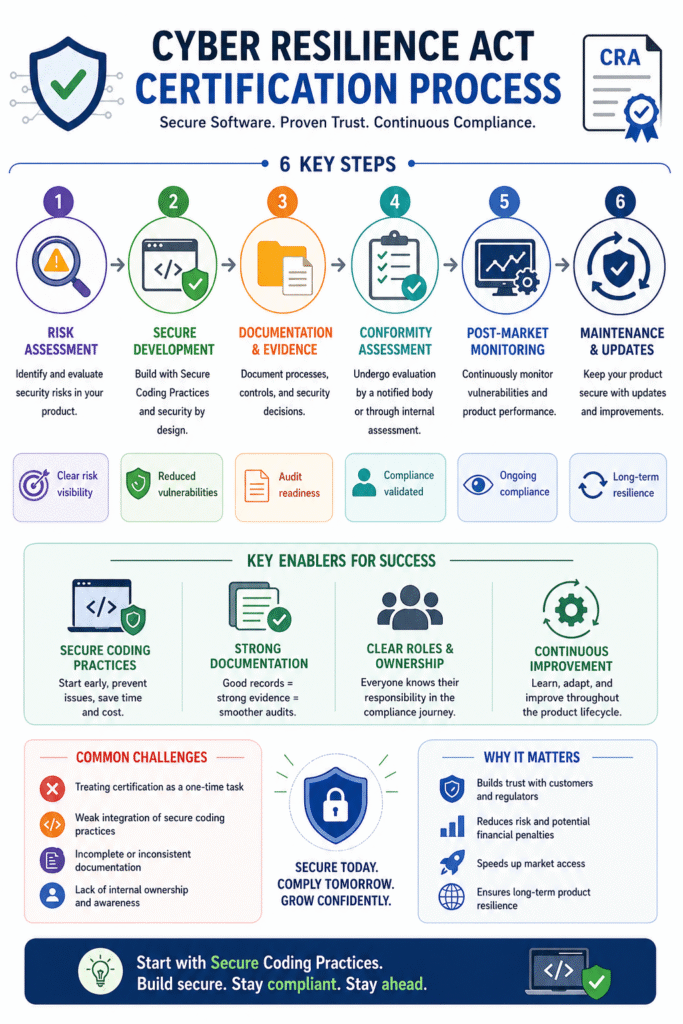
The cyber resilience act certification process typically follows structured stages:
| Step | Description | Outcome |
| Risk Assessment | Identify potential vulnerabilities | Risk visibility |
| Secure Development | Apply Secure Coding Practices | Reduced vulnerabilities |
| Documentation | Record processes and controls | Audit readiness |
| Conformity Assessment | Formal evaluation | Compliance validation |
| Post-Market Monitoring | Continuous tracking and updates | Ongoing compliance |
Each step builds on the previous one, forming a complete compliance lifecycle. Establishing a rigorous internal framework ensures smoother audit preparation and long-term product security.
Why Secure Coding Practices Lead the Process
Credits: Hogan Lovells
We always position Secure Coding Practices as the starting point in the cyber resilience act certification process.
- Prevent security issues early
- Reduce remediation effort
- Support compliance evidence
- Align with regulatory expectations
“Secure coding aims to eliminate vulnerabilities during software development.” – Wikipedia
Teams that start with secure development move faster through certification.
Documentation and Evidence Requirements
One of the biggest challenges in the cyber resilience act certification process is proving compliance.
- Maintain detailed development records
- Track vulnerability handling
- Document security decisions
- Ensure traceability across lifecycle
From our experience, missing documentation is one of the top reasons for certification delays.
Common Challenges in Certification
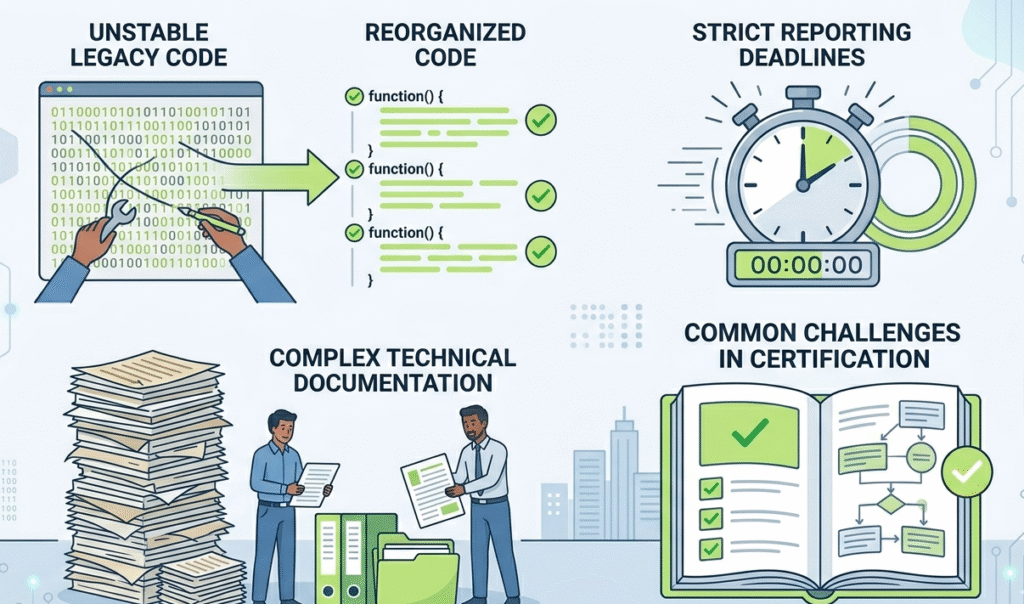
Organizations often face recurring issues during the cyber resilience act certification process:
- Treating certification as a one-time task
- Weak integration of Secure Coding Practices
- Incomplete or inconsistent documentation
- Lack of internal ownership
These challenges can significantly slow down certification and increase compliance risk. Understanding the nuances of compliance and enforcement helps teams navigate these hurdles without compromising their release timelines.
FAQ
How long does the certification process take?
The duration depends on product complexity and readiness. Organizations with strong Secure Coding Practices and documentation can complete the process faster, while unprepared teams may face delays due to rework and audit findings.
Is certification mandatory for all software products?
The CRA applies to a wide range of digital products, especially those entering the EU market. The level of certification may vary depending on the product’s risk classification.
What role does documentation play in certification?
Documentation is critical. It provides evidence that security practices are implemented correctly. Without it, even secure systems may fail certification.
Can certification be maintained after approval?
Yes, certification requires ongoing compliance. Organizations must monitor vulnerabilities, update software, and maintain documentation throughout the product lifecycle.
Succeeding in the Cyber Resilience Act Certification Process
Achieving Cyber Resilience Act certification requires more than a checklist; it demands a security-first development culture. Organizations succeed by embedding Secure Coding Practices early, transforming compliance from a hurdle into a streamlined, continuous process.
Master these essentials with the Secure Coding Practices Bootcamp. This hands-on, two-day program equips developers with practical skills in OWASP Top 10, encryption, and secure authentication to ship safer code immediately. Join the Bootcamp to simplify your certification journey.
References
- https://en.wikipedia.org/wiki/Certification
- https://en.wikipedia.org/wiki/Secure_coding