

Cyber resilience act compliance for developers is now an essential part of building software. The Cyber Resilience Act (CRA) requires developers to focus on security from the beginning until after release. From our experience, it’s much easier to meet these requirements when security is part of the process, not added later.
This guide will show simple and practical ways to align your development workflow with CRA expectations. Keep reading to learn how to apply it step by step.
Key Insights: Cyber Resilience Act Compliance for Developers
Cyber resilience act compliance for developers requires a shift in mindset, not just process.
- Security must be integrated from the start
- Developers are responsible beyond deployment
- Continuous monitoring is essential
What Cyber Resilience Act Compliance for Developers Means
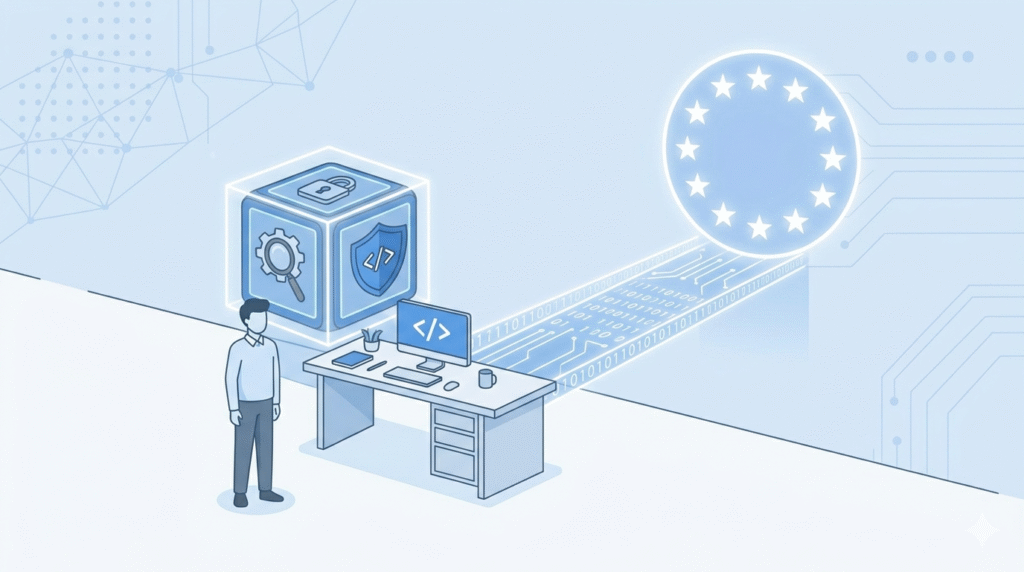
Cyber resilience act compliance for developers introduces accountability across the full lifecycle of a product. It ensures software is secure, monitored, and maintained over time.
- Secure by design and by default
- Continuous vulnerability management
- Transparent reporting and traceability
“Computer security is the protection of computer systems from theft or damage.” – Wikipedia
In practice, developers who treat security as part of engineering, not a separate task, adapt faster and produce more resilient systems.
Core Responsibilities in Cyber Resilience Act Compliance for Developers
Secure Coding as the First Priority
We always begin with Secure Coding Practices because it prevents issues before they occur. This includes:
- Writing validated and safe code
- Avoiding common vulnerabilities
- Using trusted and updated libraries
Additional Responsibilities
- Fix vulnerabilities early in development
- Maintain technical documentation
- Deliver secure updates and patches
Developers who follow these steps consistently are better prepared for the upcoming shifts in compliance and enforcement within the European market.
Cyber Resilience Act Compliance for Developers Across the Lifecycle
Credits: Hogan Lovells
| Stage | Focus | Developer Action |
| Plan | Security requirements | Identify risks early |
| Build | Secure development | Apply secure coding standards |
| Test | Security validation | Perform scans and testing |
| Maintain | Continuous protection | Monitor and update regularly |
This lifecycle ensures that following a cyber resilience act compliance roadmap becomes a continuous part of the engineering culture, rather than a one-time task.
Audit Preparation in Cyber Resilience Act Compliance for Developers
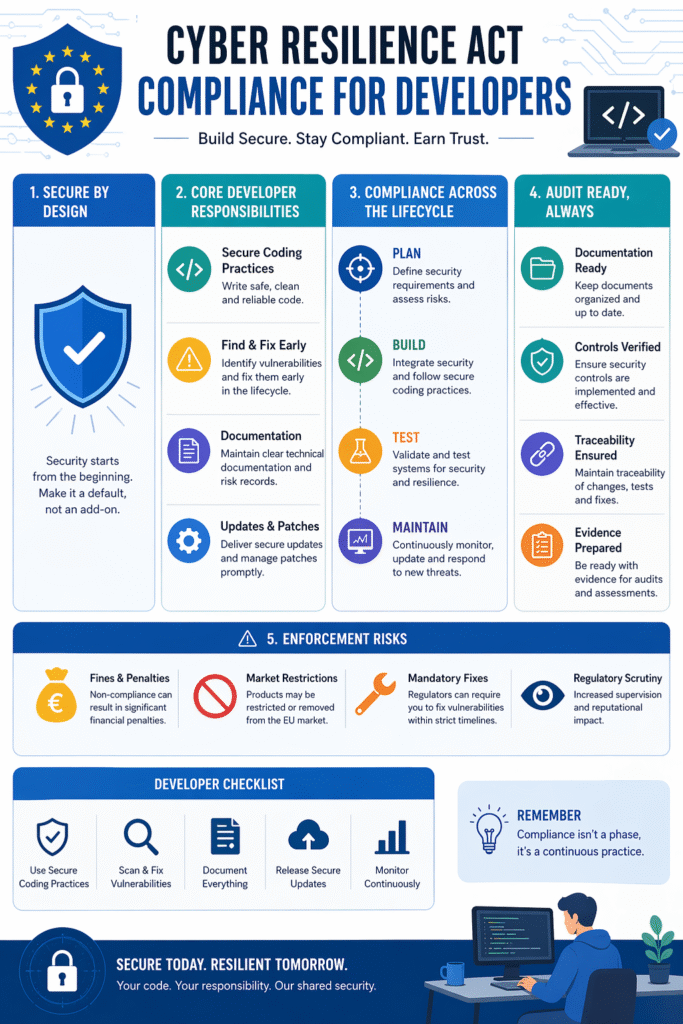
Audit readiness is a key part of the workflow, and beginning your cyber resilience act audit preparation early ensures that all technical documentation is verifiable and traceable.
- Keep documentation updated
- Verify implemented security controls
- Ensure traceability of code changes
- Prepare evidence of testing activities
From our experience, teams that maintain documentation throughout development handle audits with far less stress.
“Security is a process, not a product.” – Schneier
This reflects how compliance must be maintained continuously.
Challenges in Cyber Resilience Act Compliance for Developers
Developers often encounter real-world challenges such as:
- Balancing speed with security requirements
- Managing third-party dependency risks
- Maintaining continuous compliance
We’ve seen that integrating automation and security early significantly reduces these challenges and improves efficiency.
Practical Tips for Cyber Resilience Act Compliance for Developers
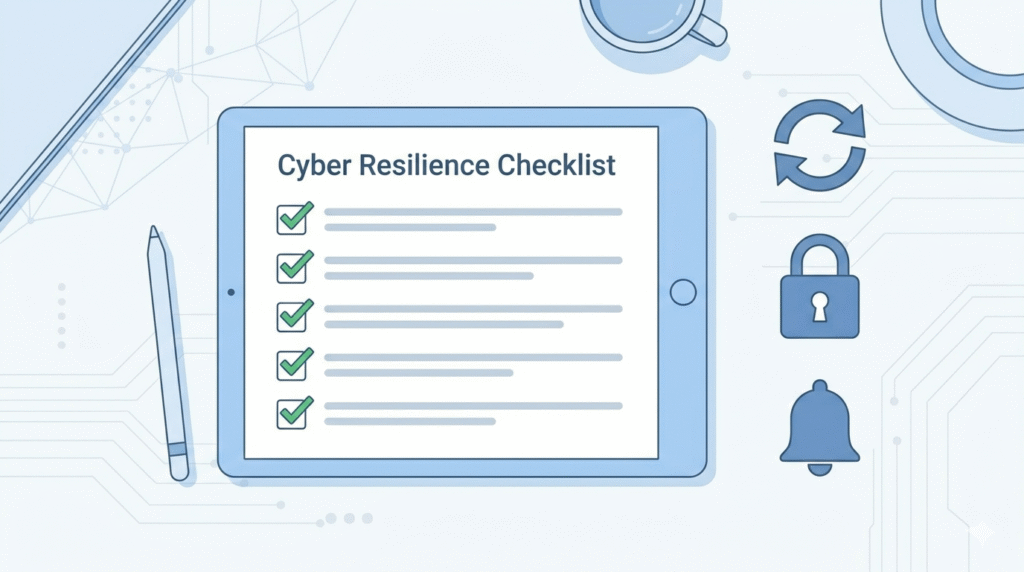
To simplify compliance, developers can:
- Integrate security tools into CI/CD
- Automate vulnerability detection
- Regularly update dependencies
- Collaborate with security teams
- Treat documentation as part of development
These steps help create a sustainable compliance process.
FAQ
What is cyber resilience act compliance for developers?
It refers to the responsibility of developers to ensure software is secure throughout its lifecycle. This includes secure design, continuous monitoring, vulnerability management, and proper documentation to meet regulatory requirements.
Do developers remain responsible after deployment?
Yes, cyber resilience act compliance for developers requires ongoing responsibility. Developers must monitor vulnerabilities, release updates, and respond to security issues even after deployment.
Why is documentation important in CRA compliance?
Documentation provides proof of security measures and supports audits. Without it, developers cannot demonstrate compliance, even if the system is technically secure.
How can small teams meet compliance requirements?
Small teams can achieve cyber resilience act compliance for developers by focusing on automation, prioritizing critical risks, and integrating security into their workflows from the beginning.
Cyber Resilience Act Compliance for Developers in Practice
Cyber resilience act compliance for developers is about building secure systems and maintaining them over time. By embedding security into every stage, documenting processes, and addressing risks early, developers can meet regulatory expectations without slowing innovation.
We recommend starting with Secure Coding Practices as the foundation, then expanding into continuous monitoring and lifecycle security. This approach makes compliance practical, scalable, and sustainable.
References
- https://en.wikipedia.org/wiki/Computer_security
- https://www.schneier.com/essays/archives/2000/04/the_process_of_secur.html