
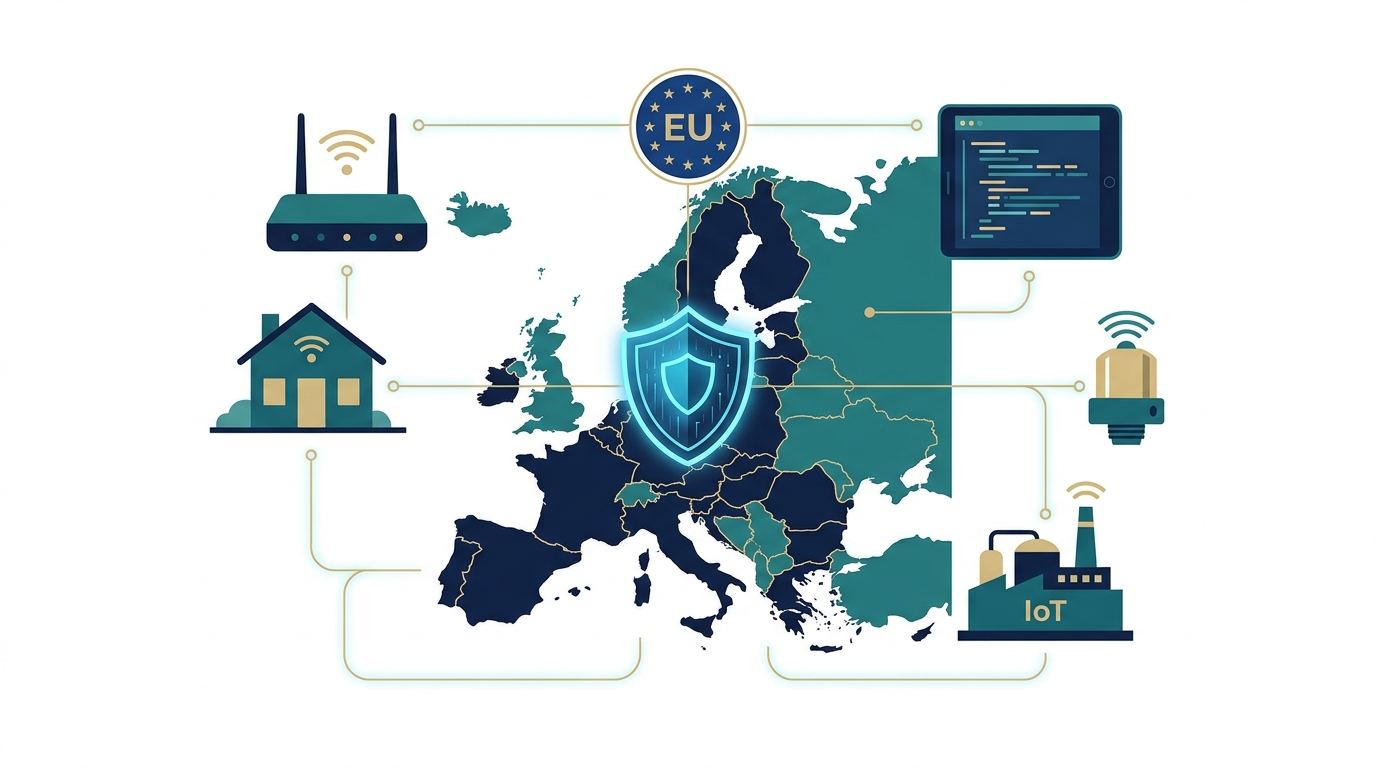

If you want to sell products in the European Union, security is no longer just a feature, it’s a legal requirement. The EU product security legislation framework is evolving rapidly, combining traditional safety rules with new cybersecurity and digital compliance standards.
From connected devices to software-enabled products, businesses must now ensure their offerings are secure throughout the entire product lifecycle. Keep reading to understand the key regulations and what they mean for your products.
What You Need to Know
- EU product security now includes both physical safety and cybersecurity
- Regulations like CRA, GPSR, and NIS2 define strict compliance requirements
- Security must be integrated across the entire product lifecycle
What Is EU Product Security Legislation?
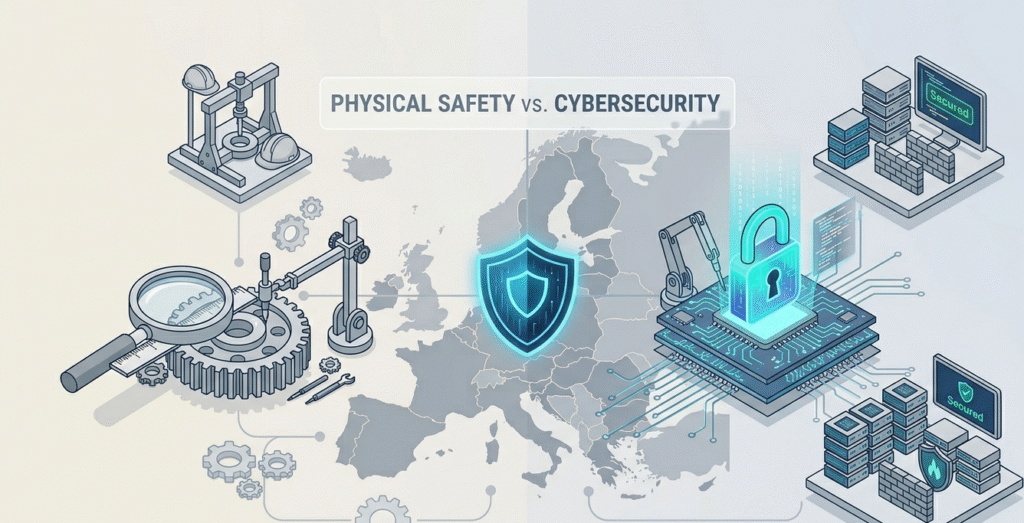
EU product security legislation refers to a set of regulations designed to ensure that products placed on the EU market are safe, secure, and compliant with both physical and digital standards.
Traditionally, product safety focused on physical risks. Today, it also includes cybersecurity, data protection, and resilience against digital threats.
This shift reflects how modern products, especially those connected to the internet, can create new vulnerabilities if not properly secured.
Key Regulations You Should Know
Overview of Main EU Product Security Regulations
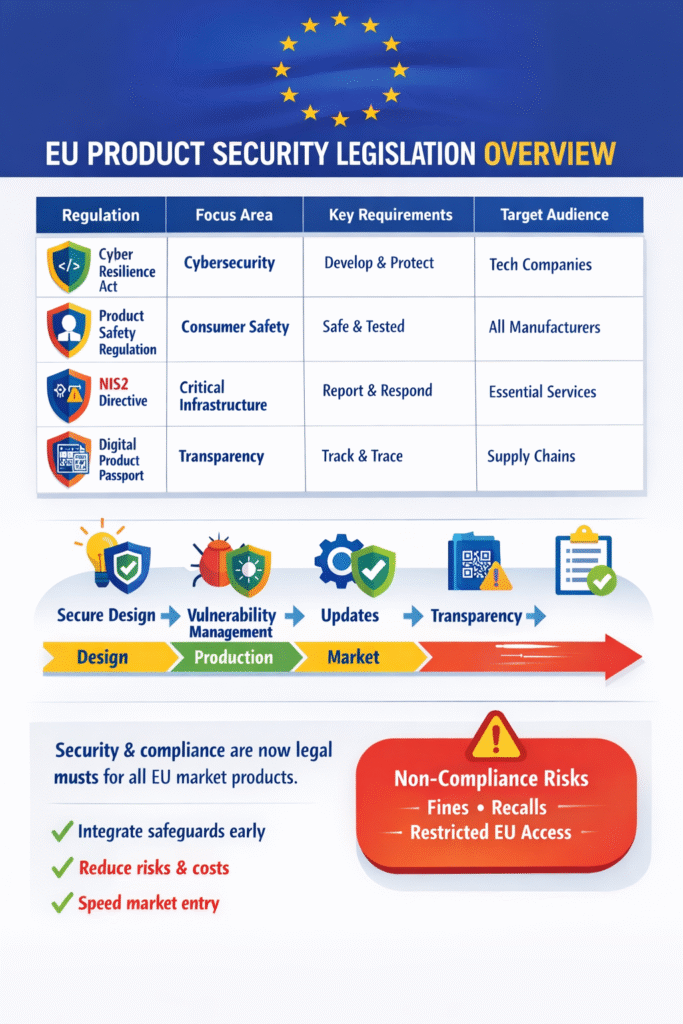
| Regulation | Focus Area | Key Requirements | Who It Affects |
| Cyber Resilience Act (CRA) | Cybersecurity for digital products | Secure development, vulnerability management, updates | Manufacturers, software developers |
| General Product Safety Regulation (GPSR) | Consumer product safety | Risk assessment, safe design, market monitoring | All product manufacturers |
| NIS2 Directive | Network & information security | Risk management, incident reporting | Critical sectors, service providers |
| Digital Product Passport (DPP) | Product transparency & lifecycle | Product data, sustainability info, traceability | Manufacturers, supply chains |
1. Cyber Resilience Act (CRA)
The Cyber Resilience Act introduces mandatory cybersecurity requirements for products with digital elements. This landmark eu cybersecurity law for software ensures that digital products are protected throughout their lifecycle.
“The CRA’s implications extend far beyond Europe… encouraging the adoption of CRA-aligned practices across the globe and setting a higher standard for cybersecurity worldwide.” – European Parliament
It requires:
- Secure design and development
- Vulnerability management
- Regular security updates
- Clear accountability for manufacturers
This regulation ensures that cybersecurity is built into products from the start, not added later.
2. General Product Safety Regulation (GPSR)
Credits: Hogan Lovells
The GPSR updates existing safety rules to cover modern risks, including those linked to digital technologies.
It focuses on:
- Consumer safety across all products
- Risk assessment and mitigation
- Market surveillance and enforcement
3. NIS2 Directive
The NIS2 Directive strengthens cybersecurity requirements for critical sectors and supply chains. Understanding the cyber resilience act vs nis2 is essential, as the two work together to cover different aspects of infrastructure and product security.
“The Directive rejects the false legal imagination that all cybersecurity problems can be solved through specialised technology… It recognises that resilience depends on behaviour, culture, procurement, governance, business continuity, and internal discipline.” – European Journal of Risk Regulation
It impacts:
- Service providers
- Infrastructure operators
- Software and technology vendors
Companies must implement stronger risk management and incident reporting processes.
4. EU Digital Product Passport (DPP)
The Digital Product Passport introduces transparency across the product lifecycle.
It includes:
- Product data and material composition
- Environmental performance
- Supply chain information
- End-of-life instructions
Often accessible via QR codes or digital identifiers, the DPP supports both sustainability and traceability.
Why This Matters for Developers and Businesses

EU product security legislation is not just about compliance; it directly affects how products are built, maintained, and updated within the broader legal and regulatory context of the European market.
From our experience, companies that integrate security early in development benefit from:
- Reduced risk of vulnerabilities
- Lower long-term compliance costs
- Faster market access
- Improved customer trust
Ignoring these requirements can lead to penalties, product recalls, or restricted access to the EU market.
FAQ
What does EU product security legislation overview mean for small businesses?
For small businesses, understanding the EU product security legislation overview means knowing the rules before entering the market. It affects how products are designed, tested, and updated.
Even smaller companies must follow safety and cybersecurity requirements. Starting early helps avoid compliance issues, reduce costs, and build trust with customers across the European Union.
How does EU product security legislation impact digital product development?
The EU product security legislation overview shows that digital products must be secure from the start. Developers need to include cybersecurity during design, not after release. This includes regular updates, risk assessments, and secure coding practices.
It changes development workflows by making security a continuous process, not a one-time task at the end.
Why is compliance important in EU product security legislation overview?
Compliance ensures that products meet EU safety and security standards before reaching users. The EU product security legislation overview highlights that non-compliance can lead to fines, recalls, or market restrictions. Following the rules also improves product quality and user trust. It helps businesses stay competitive while avoiding legal and financial risks.
What are the main challenges in meeting EU product security legislation requirements?
One key challenge in the EU product security legislation overview is keeping up with evolving regulations. Businesses must manage both physical safety and cybersecurity at the same time. Limited resources, lack of expertise, and complex supply chains can make compliance difficult.
However, planning early and integrating security processes can reduce these challenges significantly.
Aligning with EU Product Security Legislation
EU product security legislation is transforming how products are designed, secured, and maintained across their lifecycle. Businesses must move beyond basic compliance and embed security, transparency, and accountability from the start.
Aligning early helps reduce risks, avoid penalties, and maintain access to the European market. To build practical skills, consider the Secure Coding Practices Bootcamp.
References
- https://www.europarl.europa.eu/
- https://www.cambridge.org/core/journals/european-journal-of-risk-regulation