
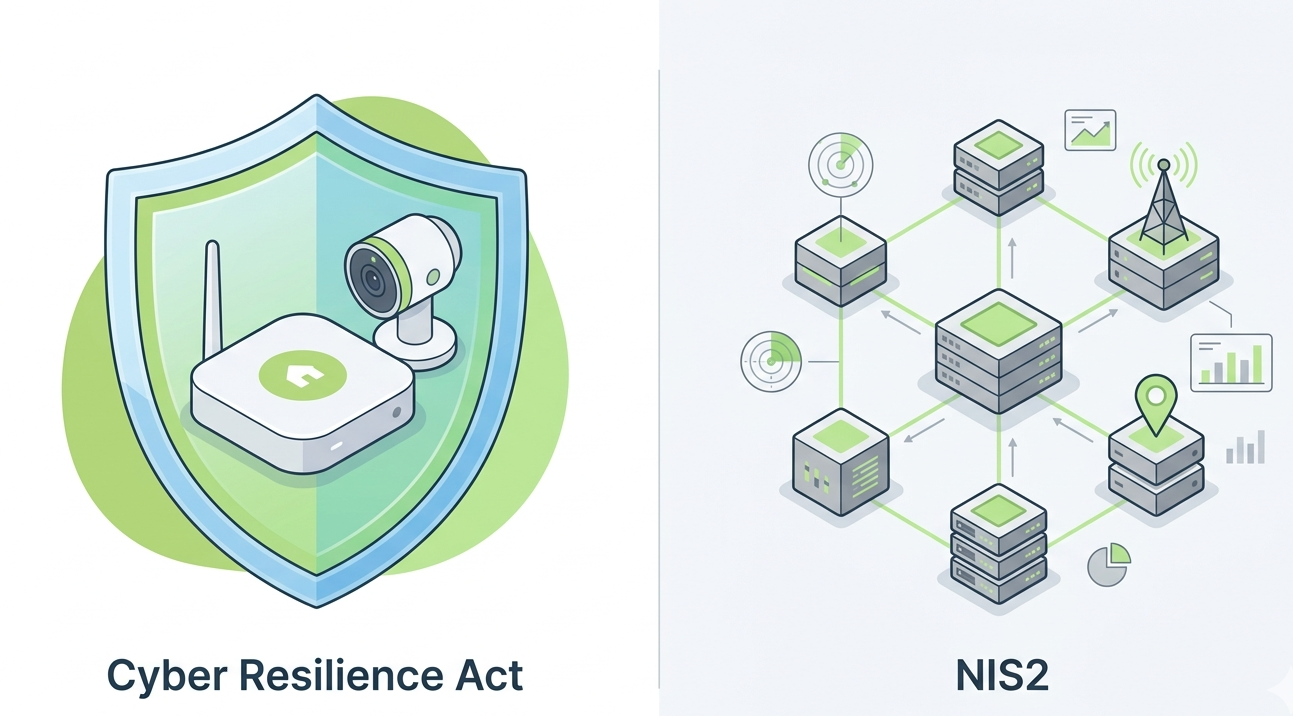

Cybersecurity rules in Europe are becoming stricter. Two important regulations now getting attention are the Cyber Resilience Act (CRA) and NIS2. Many businesses are confused because both focus on cybersecurity, risk management, and protection. At first, we also noticed many people think the Cyber Resilience Act vs NIS2 discussion is only about compliance paperwork. But actually, these two regulations focus on different areas.
One mainly protects digital products, while the other protects company operations and important services. In this article, we will explain Cyber Resilience Act vs NIS2 using simple language, practical examples, and easy explanations. We will also show how Secure Coding Practices can help businesses prepare more easily. Keep reading.
Quick Things to Remember About Cyber Resilience Act vs NIS2
Before we go deeper, here are the main points.
- The Cyber Resilience Act focuses on digital product security.
- NIS2 focuses on company cybersecurity and risk management.
- Some businesses may need to follow both regulations.
Why Europe Created the Cyber Resilience Act and NIS2
Cyberattacks continue growing every year. Hackers now target:
- Companies
- Hospitals
- Banks
- Software providers
- Government systems
Many cyber incidents happen because software is not secure enough or companies are not prepared for cyber risks.
The European Union introduced stronger cybersecurity regulations to improve digital safety. That is why the Cyber Resilience Act and NIS2 were created.
These regulations help businesses:
- Improve cybersecurity
- Reduce vulnerabilities
- Prepare for cyber incidents
- Strengthen digital systems
In recent years, many organizations lost money because of ransomware attacks, service outages, and data breaches. Some attacks even affected public services and critical infrastructure. Europe wants companies to improve security before attacks happen.
What Is the Cyber Resilience Act?
The Cyber Resilience Act is an EU regulation focused on products with digital elements.
This includes:
- Software
- Mobile apps
- Smart devices
- IoT products
- Connected systems
The goal of the CRA is to make digital products safer from the beginning.
“Products with digital elements must be secure throughout their lifecycle, including the provision of security updates.” – European Commission
Before the CRA, many companies focused more on releasing products quickly than improving security. Because of this, some products entered the market with weak cybersecurity protection. This new EU cybersecurity law for software changes that approach.
It also encourages businesses to continue supporting product security after release through updates and vulnerability management. The CRA changes that approach. It also encourages businesses to continue supporting product security after release through updates and vulnerability management.
Main Goals of the Cyber Resilience Act
The Cyber Resilience Act aims to establish a clear EU product security legislation overview by focusing on these core targets:
- Reduce software vulnerabilities
- Improve product security
- Require security updates
- Increase transparency
- Improve lifecycle security
Security is no longer optional during development.
This is why Secure Coding Practices are becoming more important. When developers build security into software earlier, they can reduce many risks before products reach users.
From our experience, solving security problems early is usually easier and cheaper than fixing them after a cyberattack happens.
Many development teams now include security testing during coding instead of waiting until the final stage.
What Is NIS2?
Credits: Continent 8 Technologies
NIS2 is a cybersecurity regulation focused on organizations and important services.
Unlike the Cyber Resilience Act, NIS2 mainly focuses on operational cybersecurity and risk management.
NIS2 applies to sectors such as:
- Energy
- Healthcare
- Banking
- Transportation
- Cloud services
- Public infrastructure
The goal is to help important organizations become more secure and more prepared for cyber threats.
If important systems stop working because of cyberattacks, many people and businesses can be affected. That is why NIS2 strongly focuses on prevention and response.
Main Goals of NIS2
NIS2 focuses on:
- Cyber risk management
- Incident reporting
- Supply chain security
- Business continuity
- Employee awareness
- Company responsibility
NIS2 also increases management responsibility.
“Entities should take appropriate and proportionate technical and organisational measures to manage the risks posed to the security of network and information systems.” – European Parliament & Council (NIS2 Directive)
This means cybersecurity is no longer only the IT team’s responsibility. Within this broader legal and regulatory context, managers and executives must also understand cyber risks. Many organizations now discuss cybersecurity during business meetings because security problems can affect the entire company.
Cyber Resilience Act vs NIS2: The Main Difference
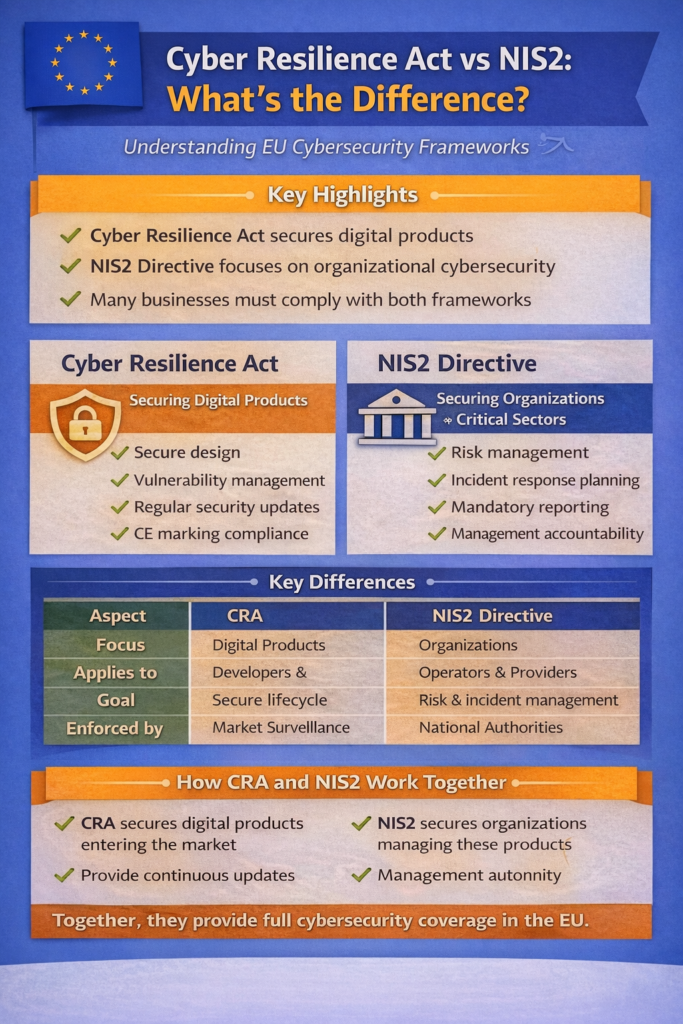
The easiest way to understand Cyber Resilience Act vs NIS2 is this:
- The Cyber Resilience Act protects products.
- NIS2 protects organizations.
The CRA asks:
“Is this digital product secure?”
NIS2 asks:
“Is this company managing cybersecurity risks properly?”
Some companies may need to follow both regulations at the same time.
For example:
- A business developing smart medical software may need CRA compliance for the product
- The same business may also need NIS2 compliance for company operations
This overlap is becoming more common as businesses depend more on digital technology.
Cyber Resilience Act vs NIS2 Comparison Table
| Area | Cyber Resilience Act | NIS2 |
|---|---|---|
| Main Focus | Digital product security | Organizational cybersecurity |
| Applies To | Software and device makers | Important organizations |
| Main Goal | Safer digital products | Stronger cyber management |
| Main Area | Product lifecycle | Company operations |
| Incident Reporting | Product vulnerabilities | Cyber incidents |
| Software Development | Major focus | Indirect focus |
| Leadership Responsibility | Lower | Higher |
| Supply Chain Security | Yes | Yes |
| Main Priority | Product protection | Business resilience |
How the Cyber Resilience Act Changes Software Development
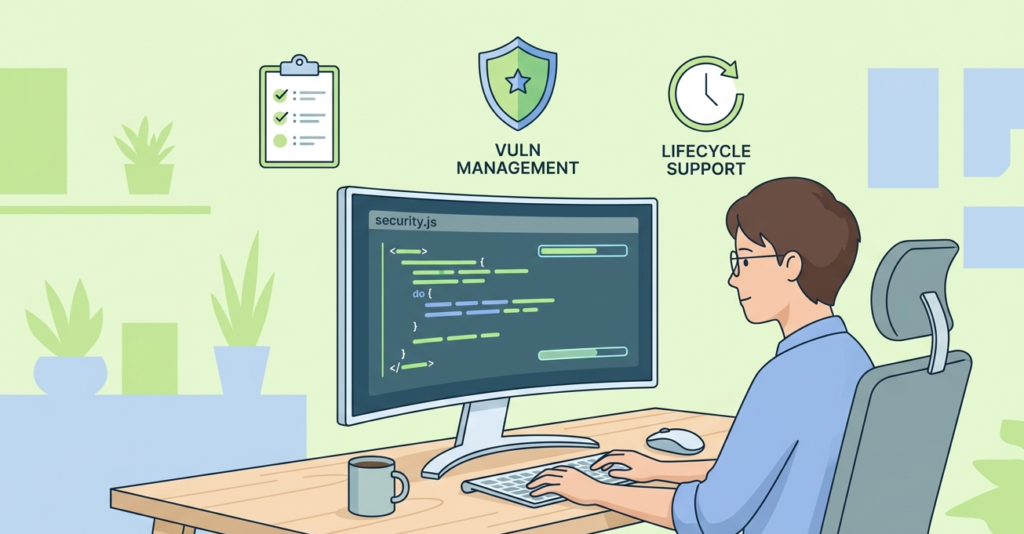
The Cyber Resilience Act changes how software teams build products.
Before, many companies focused on:
- Faster releases
- More features
- Quick development cycles
Security sometimes became less important.
Now organizations must:
- Track vulnerabilities
- Improve software security
- Create secure updates
- Reduce weaknesses
This is why Secure Coding Practices matter more today.
Secure coding helps developers reduce:
- Unsafe code
- Weak authentication
- Data leaks
- Injection attacks
- Misconfigurations
We often see companies improve security faster when developers include security during coding instead of waiting until development ends.
How NIS2 Changes Organizations
NIS2 changes how companies manage cybersecurity internally.
Organizations now need stronger:
- Security policies
- Incident response plans
- Employee training
- Backup systems
- Risk management programs
Leaders must also understand cybersecurity risks better.
Under NIS2, management teams may face consequences if they ignore cybersecurity responsibilities.
This pushes businesses to treat cybersecurity as an important business issue, not only a technical issue.
Businesses Most Affected by the Cyber Resilience Act
The Cyber Resilience Act mainly affects businesses that create digital products.
Examples include:
- Software companies
- App developers
- SaaS providers
- IoT manufacturers
- Smart device companies
Even smaller businesses may be affected if they sell digital products in Europe.
Many companies still underestimate how broadly the CRA may apply.
Businesses Most Affected by NIS2
NIS2 mainly affects important sectors such as:
- Healthcare
- Banking
- Transportation
- Energy
- Cloud services
- Public infrastructure
Compared to older cybersecurity laws, NIS2 covers more organizations.
Because of this, many companies may now need stronger cybersecurity programs.
Why Supply Chain Security Matters in Cyber Resilience Act vs NIS2
Both the Cyber Resilience Act and NIS2 focus strongly on supply chain security.
Hackers often target vendors and third-party software providers because one weak supplier can affect many businesses.
Organizations should carefully review:
- Software libraries
- Vendors
- Third-party tools
- Open-source components
Secure Coding Practices also support supply chain security because cleaner code usually means fewer hidden vulnerabilities.
Development teams should:
- Review dependencies
- Remove unused software
- Monitor vulnerabilities
- Test systems regularly
Incident Reporting Under CRA and NIS2
Both regulations require companies to report cybersecurity problems.
Under the Cyber Resilience Act
Businesses may need to report:
- Exploited vulnerabilities
- Serious product security incidents
Under NIS2
Organizations may need to report:
- Major cyberattacks
- Service disruptions
- Security breaches
This means companies need clear reporting systems before incidents happen.
Fast reporting can help reduce damage and improve recovery.
Common Challenges Businesses Face
Many organizations struggle with cybersecurity compliance.
1. Lack of Knowledge
Some teams still do not fully understand the regulations.
2. Older Systems
Legacy systems may contain outdated software and security weaknesses.
3. Weak Security Culture
Some businesses still treat cybersecurity as a low priority.
4. Pressure to Move Fast
Development teams often focus more on speed than security.
We often notice businesses adapt more easily when Secure Coding Practices are already part of daily development work.
How Secure Coding Practices Help With CRA and NIS2
Secure Coding Practices help businesses build safer software from the beginning.
Examples include:
- Input validation
- Strong authentication
- Encryption
- Code review
- Security testing
- Dependency management
These practices help reduce vulnerabilities earlier.
They also improve:
- Product quality
- Compliance readiness
- Security documentation
- Risk management
Instead of fixing problems later, companies prevent problems earlier.
That approach strongly supports both the Cyber Resilience Act and NIS2.
What Businesses Should Do Now
Companies should start preparing early.
Understand Which Rules Apply
Review:
- Which products fall under the Cyber Resilience Act
- Whether the organization falls under NIS2
Improve Security Policies
Build stronger:
- Risk management
- Incident response
- Security governance
Strengthen Software Security
Use Secure Coding Practices during development.
Train Employees
Cybersecurity awareness matters for all teams.
Review Vendors
Check third-party software and suppliers carefully.
Maintain Documentation
Good documentation helps during compliance reviews and audits.
Even small improvements today can help businesses avoid bigger cybersecurity problems later.
Will Cybersecurity Regulations Continue Growing?
Most likely yes.
Cyber threats continue evolving, so cybersecurity regulations will probably become stricter over time.
Future changes may include:
- More reporting requirements
- Stronger technical standards
- Larger penalties
- More product categories
Companies that improve cybersecurity early will likely adapt more easily later.
FAQ
What is the difference between the Cyber Resilience Act vs NIS2?
The Cyber Resilience Act focuses on digital product security, while NIS2 focuses on organizational cybersecurity and risk management.
Can companies follow both the Cyber Resilience Act and NIS2?
Yes. Some organizations may need to comply with both regulations.
Does the Cyber Resilience Act affect small businesses?
Yes. Smaller companies selling digital products in Europe may also be affected.
Why are Secure Coding Practices important for CRA and NIS2?
Secure Coding Practices help reduce vulnerabilities early and support stronger cybersecurity compliance.
Stronger Cybersecurity Starts Earlier
The Cyber Resilience Act vs NIS2 discussion shows how Europe is changing cybersecurity expectations. One regulation focuses on digital products, while the other focuses on organizational resilience and risk management.
Both encourage companies to improve security earlier instead of reacting after attacks happen. Businesses that adopt Secure Coding Practices during development and daily operations can reduce vulnerabilities, improve compliance readiness, and build safer digital systems for the future.
References
- https://digital-strategy.ec.europa.eu/en/library/cyber-resilience-act
- https://eur-lex.europa.eu/eli/dir/2022/2555/oj