
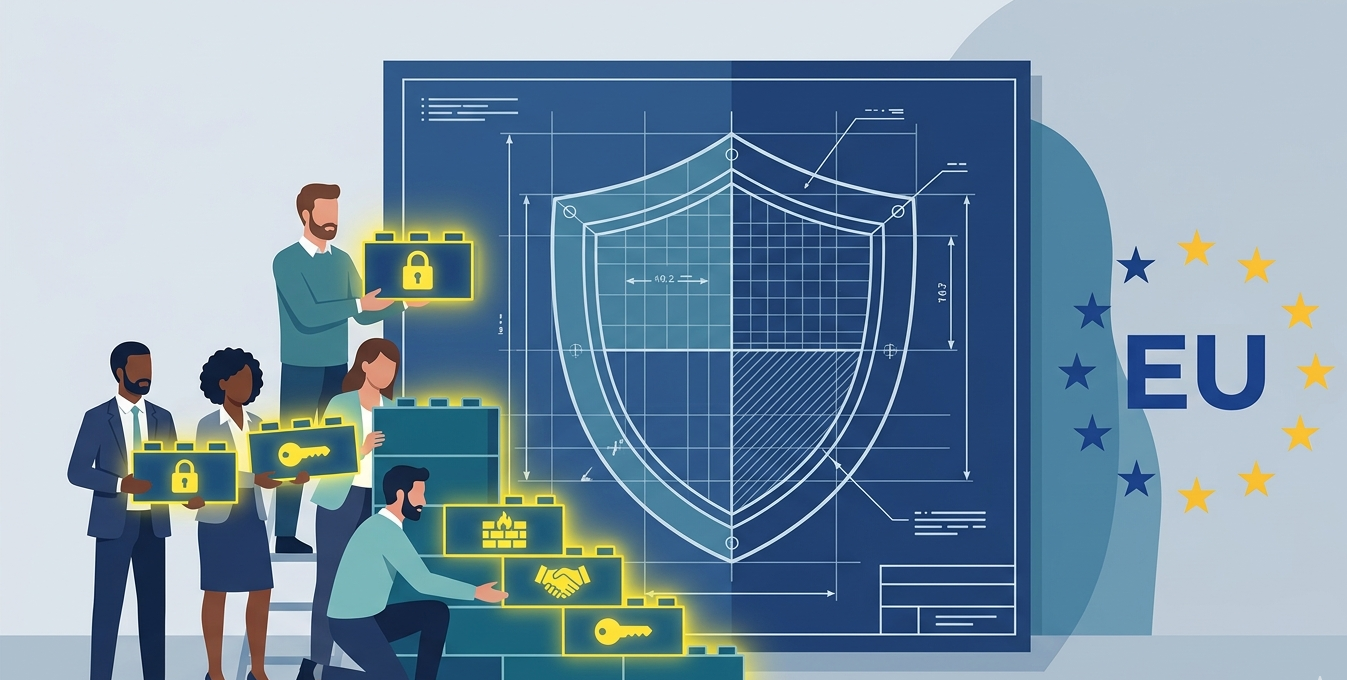

The Cyber Resilience Act is changing how teams approach software development. It requires security to be part of every stage, not something added later. From our experience, projects that follow a Secure Development Lifecycle (SDL) face fewer risks and smoother releases. Instead of reacting to issues, teams prevent them early.
This article explains how SDL aligns with the Act and how developers can apply it in real workflows. Keep reading to see how to build secure software step by step.
Key Insight: Cyber Resilience Act Secure Development Lifecycle
A quick overview to set the foundation:
- Security must be integrated across the full development lifecycle
- Secure Coding Practices should be applied early in development
- Risk assessment and testing must be continuous
What Is a Secure Development Lifecycle (SDL)?
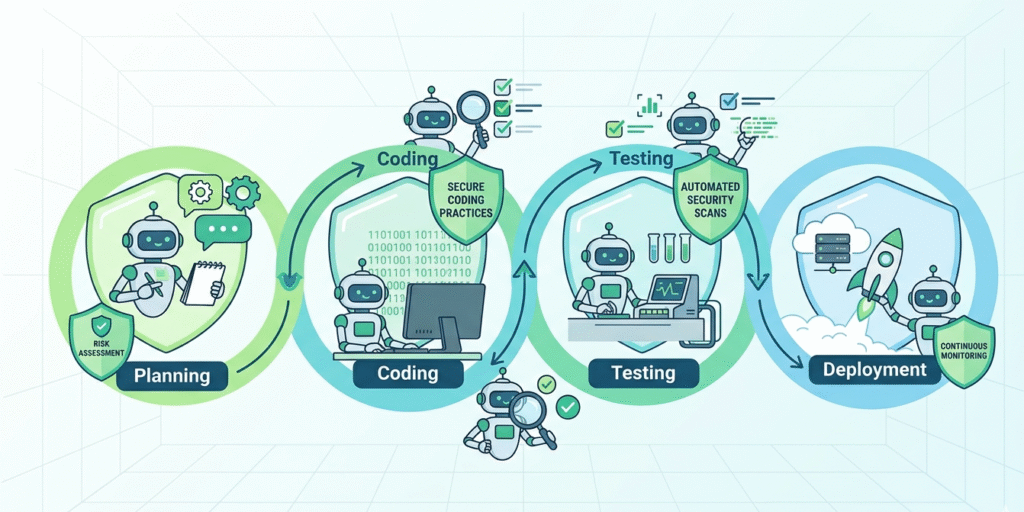
A secure development lifecycle is a structured process that embeds security into every phase of software development. Instead of treating security as a final check, it becomes part of daily work.
“Applying the 10 security practices of SDL is an ongoing process of improvement… This continuous process involves changes to culture, strategy, processes, and technical controls as you embed security skills and practices into DevOps workflows.” – Wikipedia
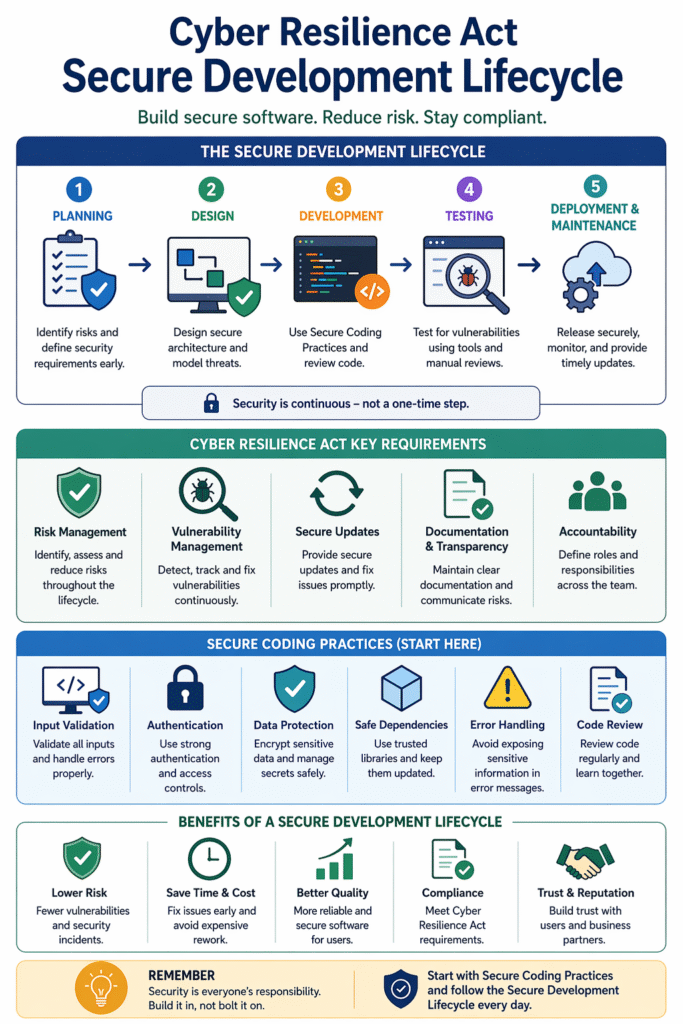
Typical SDL stages include:
- Planning and requirement analysis
- Secure design and architecture
- Development using Secure Coding Practices
- Testing and validation
- Deployment and maintenance
From what we’ve seen, teams that follow SDL reduce last-minute fixes and improve overall product quality.
How the Cyber Resilience Act Shapes SDL
The Cyber Resilience Act requires organizations to actively manage risks throughout the lifecycle. This directly aligns with SDL principles.
“Secure by default principles would impose a duty of care for the lifecycle of products, instead of e.g. relying on consumers and volunteers to establish a basic level of security. The new rules would “rebalance responsibility towards manufacturers”.” – Wikipedia
Key requirements include:
- Identifying risks early in development
- Managing vulnerabilities continuously
- Providing secure software updates
- Keeping systems protected over time
In practice, this means establishing a comprehensive software risk management CRA framework is no longer optional. It becomes a necessary foundation to meet compliance and maintain trust with users.
Why Secure Coding Practices Are the First Step
Credits: Somco Software
We always start with Secure Coding Practices because they directly impact how software is built. If the code is insecure, later stages become more complex.
We focus on:
- Validating inputs and handling outputs safely
- Implementing secure authentication and access control
- Avoiding hardcoded secrets
- Writing clear, maintainable code
From our experience, these simple habits prevent many vulnerabilities before they even appear, making the rest of SDL easier to manage.
Key SDL Phases and Security Actions
| SDL Phase | Security Focus | Practical Action |
| Planning | Risk identification | Define security requirements early |
| Design | Secure architecture | Apply threat modeling |
| Development | Secure Coding Practices | Write safe and reviewed code |
| Testing | Vulnerability detection | Use testing tools and manual reviews |
| Maintenance | Ongoing security | Release secure updates and monitor risks |
Each phase supports compliance while improving software reliability.
How to Implement SDL in Daily Workflow
SDL works best when it fits naturally into existing processes. We’ve found that simple integration makes a big difference.
- Add security checks into code reviews
- Use automated tools for vulnerability scanning
- Train developers regularly on secure coding
- Document clear development guidelines
Instead of adding extra steps, aligning with the secure coding requirements of the Cyber Resilience Act becomes part of how teams already work, making adoption easier and more consistent.
Common Challenges and How Teams Solve Them
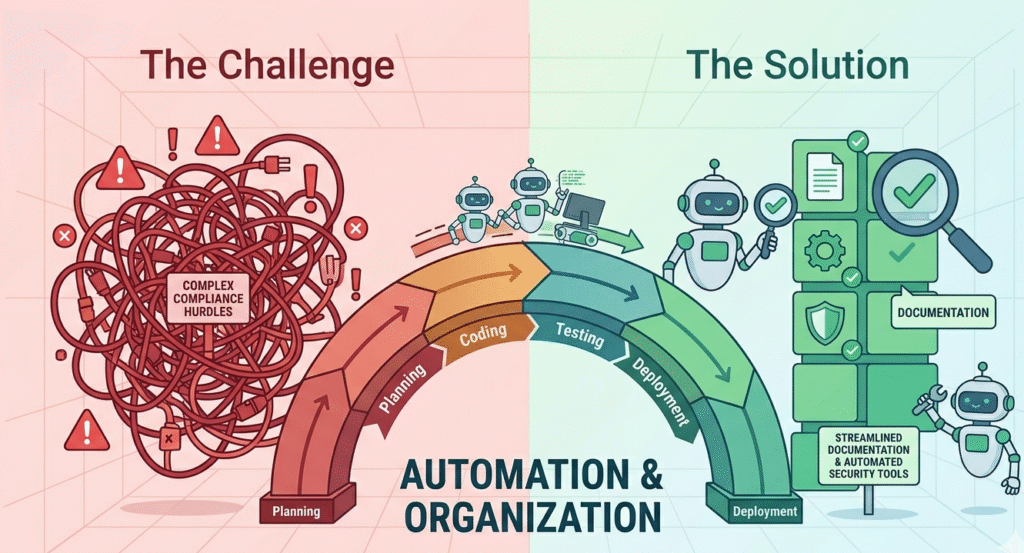
Teams often face challenges when adopting SDL for the first time.
Common issues include:
- Limited knowledge of secure development practices
- Time pressure affecting secure implementation
- Over-reliance on tools instead of good coding habits
From our experience, the solution is balance. Tools help detect problems, but Secure Coding Practices prevent them. Training and clear processes help teams adapt faster.
FAQ
What is a Secure Development Lifecycle under the Cyber Resilience Act?
A Secure Development Lifecycle under the Cyber Resilience Act means adding security at every stage of development. It covers planning, design, coding, testing, and maintenance. Instead of treating security as a final step, teams continuously manage risks.
This approach helps developers build safer software and meet compliance requirements without major changes at the end.
How does Secure Development Lifecycle support compliance requirements?
A Secure Development Lifecycle supports compliance by ensuring risks are identified and reduced early. It aligns development with Cyber Resilience Act expectations like vulnerability management and secure updates.
In daily work, this means developers follow structured steps and Secure Coding Practices. Over time, this reduces security gaps and makes compliance easier to maintain.
When should teams start using Secure Coding Practices in SDL?
Teams should start using Secure Coding Practices from the development phase, but planning begins even earlier. In reality, the earlier security is included, the better the results. From our experience, starting early prevents many issues later. It also makes testing and maintenance easier because the code is already built with security in mind.
What are common mistakes in Secure Development Lifecycle adoption?
Common mistakes include treating SDL as a checklist, relying only on tools, or adding security too late. Some teams skip training or ignore Secure Coding Practices. This leads to gaps in security and more rework later. From what we’ve seen, success comes from consistency, clear processes, and making security part of daily development habits.
Cyber Resilience Act Secure Development Lifecycle Final Insight
The Cyber Resilience Act makes security a continuous responsibility across the entire development lifecycle. From our experience, applying a Secure Development Lifecycle with strong Secure Coding Practices helps teams reduce risks early and maintain compliance over time.
Instead of reacting to issues, teams build secure systems from the start. To strengthen practical skills, the Secure Coding Practices Bootcamp offers hands-on training, helping developers confidently build safer software in real-world scenarios.
References
- https://en.wikipedia.org/wiki/Microsoft_Security_Development_Lifecycle
- https://en.wikipedia.org/wiki/Cyber_Resilience_Act