
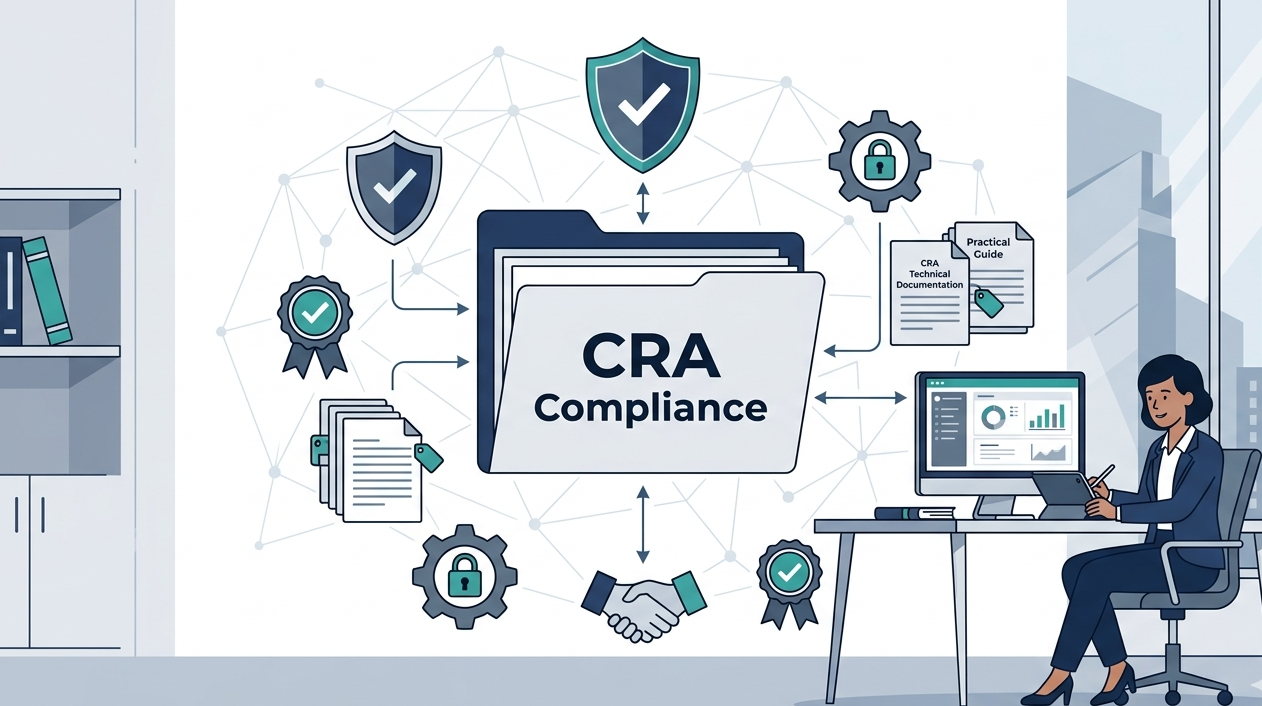

Cybersecurity regulations are evolving fast, and the Cyber Resilience Act (CRA) is raising the bar for product security in the EU. One of the most critical requirements is proper technical documentation, something many teams underestimate.
From our experience, documentation is not just a compliance checkbox; it’s a foundation for secure, resilient systems. In this guide, we break down what truly matters and how to approach it effectively. Keep reading to know cyber resilience act technical documentation.
Cyber Resilience Act Technical Documentation Essentials
Technical documentation under the Cyber Resilience Act is more than paperwork, it’s proof of security maturity.
- Documentation should be integrated into development, not added at the end
- Secure Coding Practices help ensure accuracy and reduce compliance gaps
- Continuous updates are essential to maintain alignment with evolving systems
Understanding Cyber Resilience Act Technical Documentation Requirements
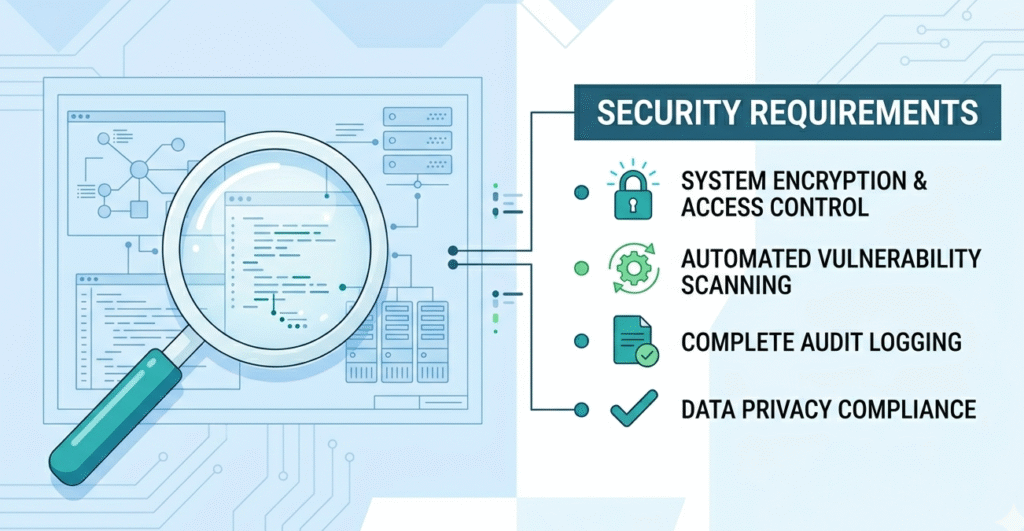
The Cyber Resilience Act requires manufacturers to provide detailed documentation that demonstrates compliance with cybersecurity requirements and open source obligations throughout the product lifecycle.
This includes:
- Risk assessments
- Security architecture design
- Vulnerability handling processes
- Incident response procedures
- Software updates and patch management
From what we’ve seen, teams often struggle because they treat documentation as an afterthought rather than integrating it into development workflows.
“Documentation is a key part of ensuring transparency and accountability in system design and operation.” – Wikipedia
Start with Secure Coding Practices as Your Foundation
Before diving into documentation, we always start with Secure Coding Practices. Why? Because strong documentation reflects strong implementation.
When we embed secure coding into development:
- Documentation becomes easier and more accurate
- Security controls are traceable
- Compliance evidence is naturally generated
Instead of retrofitting documentation, we build it alongside development. This reduces gaps and ensures alignment between what is written and what actually exists.
Structuring Technical Documentation for Compliance
Credits: Hogan Lovells
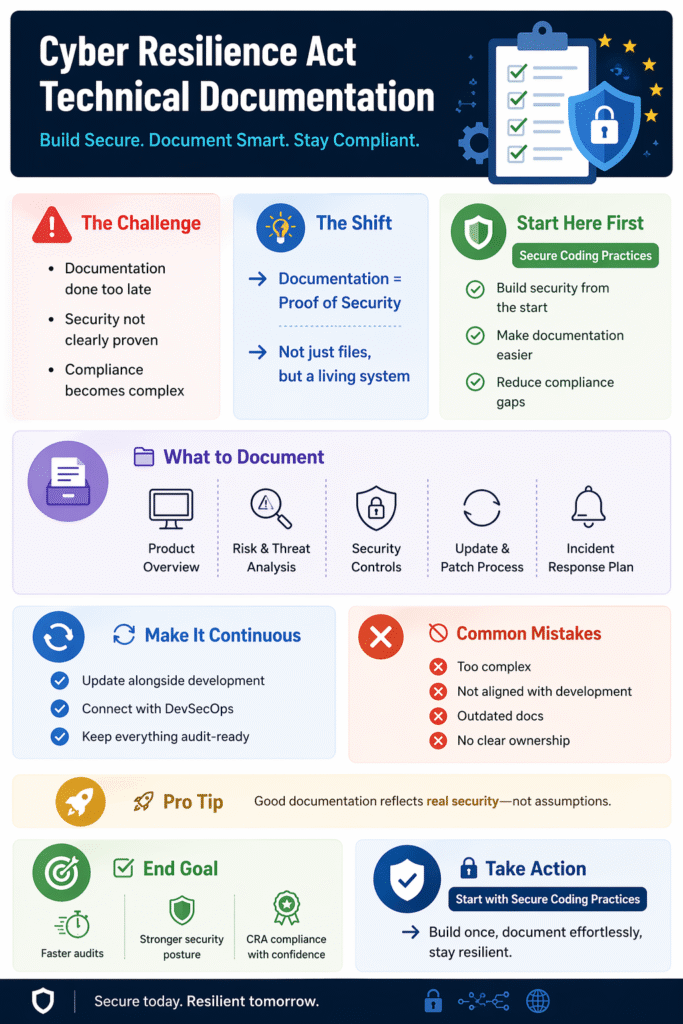
Effective cyber resilience act technical documentation should be structured and consistent.
Key sections typically include:
Product Overview
Explain functionality, architecture, and intended use.
Threat Modeling & Risk Assessment
Identify potential threats, vulnerabilities, and mitigation strategies.
Security Controls Implementation
Detail how security measures are applied in the system.
Lifecycle Management
Describe update mechanisms, patching strategies, and support timelines.
Incident Handling Procedures
Outline detection, reporting, and response workflows.
From experience, a modular structure works best, it allows teams to update specific sections without rewriting everything, especially when managing open source and supply chain security within the technical file.
Align Documentation with Conformity Assessment
Technical documentation plays a crucial role in conformity assessment under the CRA.
It must:
- Be clear and auditable
- Demonstrate compliance with essential requirements
- Support third-party evaluation when needed
“A conformity assessment is a demonstration that specified requirements relating to a product, process, system, or person have been fulfilled.” – Wikipedia
We’ve found that aligning documentation early with conformity assessment criteria significantly reduces audit friction and speeds up approval processes.
Common Pitfalls and How to Avoid Them
Even experienced teams make these mistakes:
- Overcomplicated documentation, Keep it practical and usable
- Disconnected from development, Integrate with engineering workflows
- Outdated information, Maintain continuous updates
- Lack of ownership, Assign clear responsibility
We’ve learned that documentation is a living asset, not a one-time deliverable.
Making Documentation a Continuous Process

The most effective teams treat documentation as part of daily operations.
Best practices include:
- Automating documentation where possible
- Linking documentation to version control
- Regularly reviewing and updating content
- Embedding it into DevSecOps pipelines
From our experience, this approach not only ensures compliance but also improves collaboration across teams.
FAQ
What is cyber resilience act technical documentation?
It is a structured set of documents that prove a product meets cybersecurity requirements under the Cyber Resilience Act, covering design, risks, controls, and lifecycle management.
Why is technical documentation important for CRA compliance?
It provides evidence of security measures, supports conformity assessment, and ensures transparency for regulators and stakeholders.
How often should documentation be updated?
Continuously. Documentation should evolve alongside the product, especially after updates, vulnerability fixes, or architectural changes.
How do Secure Coding Practices help with documentation?
They ensure that security is built into the system from the start, making documentation more accurate, consistent, and easier to maintain.
Strong Cyber Resilience Act Technical Documentation
Cyber resilience act technical documentation is not just about compliance, it’s about building trust, transparency, and long-term security. From our experience, starting with Secure Coding Practices makes everything else smoother, from audits to incident response.
When documentation is treated as a continuous process, teams stay prepared and resilient. If you’re aiming for sustainable compliance, begin by strengthening your Secure Coding Practice approach today.
References
- https://en.wikipedia.org/wiki/Technical_documentation
- https://en.wikipedia.org/wiki/Conformity_assessment