
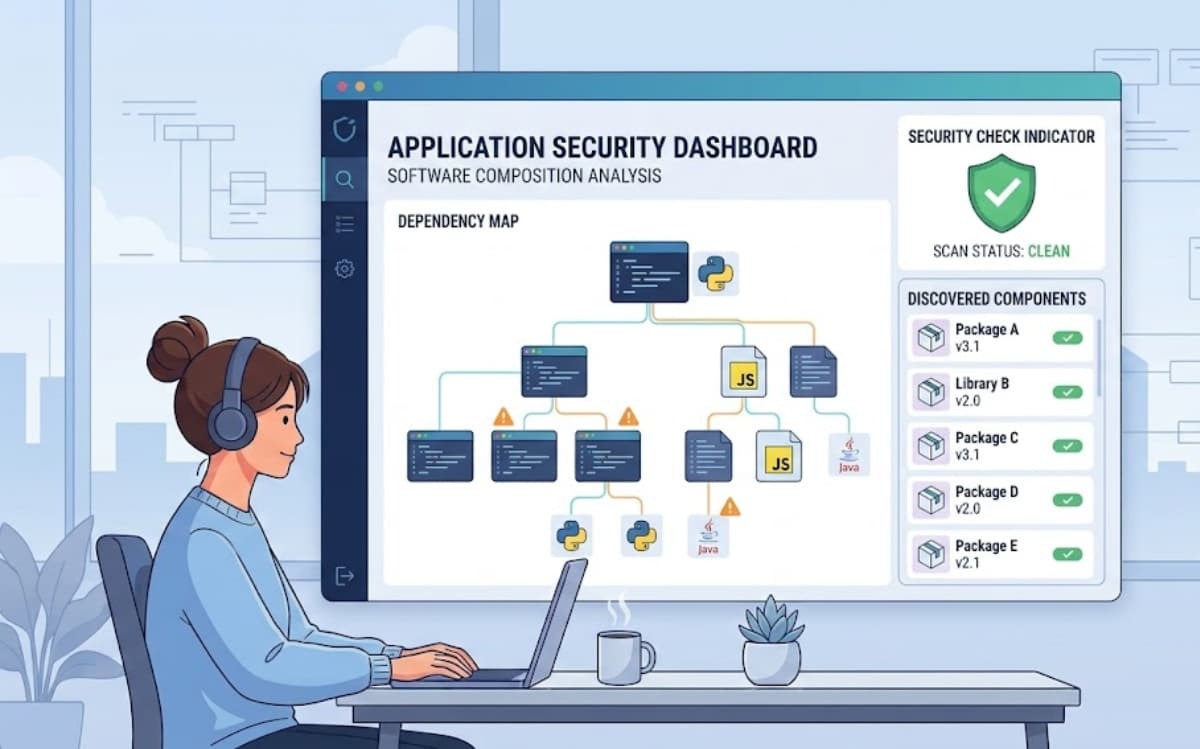

Software Composition Analysis (SCA) helps teams find and manage open source components, third party libraries, and dependencies used in an application. It identifies security risks, outdated packages, and license concerns before they create bigger problems.
At Secure Coding Practices, we see that many developers understand their own code but often miss the hidden dependencies added through package managers. SCA gives teams a clearer view of what is inside their software and supports better dependency management through automated checks.
Learn how SCA works, what risks it helps prevent, and why it matters for secure development by continuing to read this guide.
SCA Quick Summary: What to Know
Software Composition Analysis helps teams understand and manage software components, dependencies, and security risks.
- SCA identifies vulnerable dependencies and open source components.
- It supports SBOM generation, license compliance, and supply chain security.
- Secure development practices help reduce risks from the start.
Why Has Software Composition Analysis Become Important?
Modern applications rely on many external components.
Developers use frameworks, libraries, and packages to build features faster. That approach saves time, but every dependency also adds something that needs attention.
A package may become outdated. A new vulnerability may appear. A library may stop receiving updates.
“The use of open source software components in software development has grown significantly, creating new challenges for organizations to manage the security and integrity of their software supply chains. Understanding what components are included in software, where they come from, and whether they contain known risks is essential for improving software security.” – NIST
SCA helps by showing what exists inside the application. This visibility supports better dependency management by helping teams understand which components are being used, where risks exist, and what needs attention.
It can identify:
- Direct dependencies
- Transitive dependencies
- Package versions
- Vulnerabilities
- License details
Knowing what is inside the software makes security decisions easier.
How Do Open Source Dependencies Create Security Risks?
Open source dependencies are useful, but they need proper management.
A library that looks safe today may have a security issue discovered later. Sometimes the problem comes from a dependency that developers never added directly.
Common risks include:
- Vulnerable packages
- Old versions
- Unmaintained libraries
- License conflicts
The process usually looks simple:
- A developer adds a package.
- More dependencies are installed.
- A vulnerability is discovered.
- The team searches for affected systems.
- Developers apply fixes.
The hard part is finding every affected application. SCA helps automate that work.
What Role Does SCA Play In Software Supply Chain Security?
SCA improves software supply chain security by showing where components come from and how they are connected.
Teams can use this information for:
- Dependency tracking
- Security reviews
- Compliance checks
- Risk management
What Does Software Composition Analysis Actually Do?
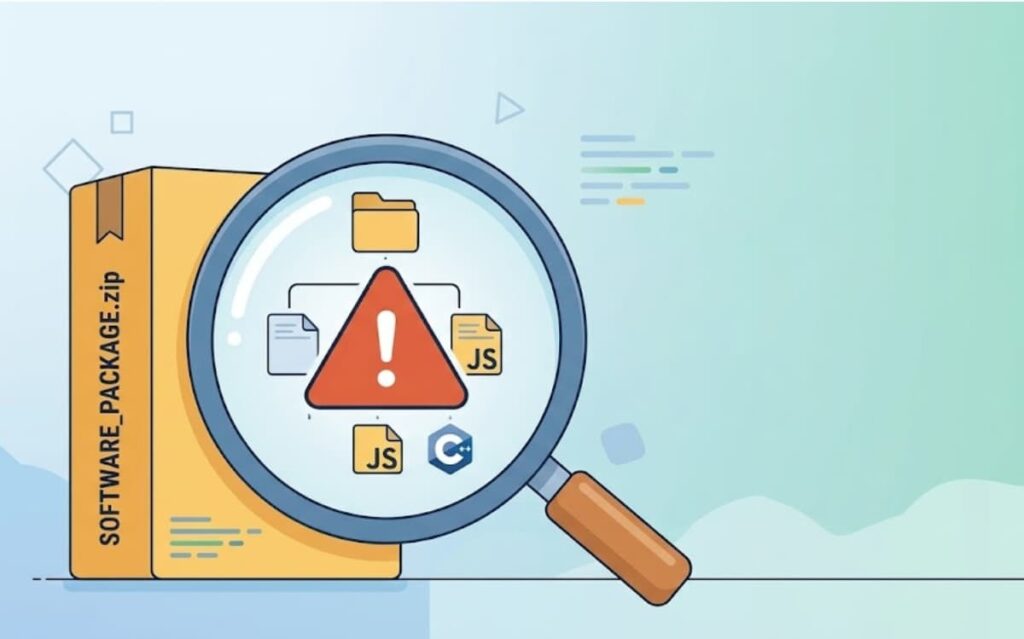
SCA reviews the external parts that make up an application. Software Composition Analysis (SCA) helps teams understand the components, dependencies, and external libraries used inside modern applications.
It helps teams:
- Find components
- Detect vulnerabilities
- Review licenses
- Create SBOMs
- Monitor dependencies
SCA is useful because modern software is rarely built with only original code.
How Does SCA Discover Software Dependencies?
SCA tools scan different project files to find dependencies. Understanding the SCA tools process helps teams see how automated checks identify components, map relationships, and detect possible risks across an application.
Common sources include:
- Package files
- Lock files
- Source repositories
- Container images
- Build files
Example:
| File Type | Common Use |
| package.json | JavaScript projects |
| pom.xml | Java projects |
| requirements.txt | Python projects |
After scanning, SCA creates a dependency map.
A project may use one package directly, but that package can bring several others with it. Those hidden packages are called transitive dependencies.
They may not be visible to developers, but they still affect security.
How Does SCA Identify Vulnerable Components?
SCA compares software components against vulnerability information from sources such as NVD.
It checks:
- Component versions
- CVE records
- Severity levels
- Available updates
A useful SCA report should not only say there is a problem. It should help developers understand what happened and what action to take.
How Does SCA Help With Vulnerability Management?
Dependencies change over time.
A package that was safe during development may become vulnerable later. SCA helps teams keep track of those changes.
It supports:
- Vulnerability tracking
- Package updates
- Risk review
- Remediation planning
How Does SCA Improve Remediation?
SCA helps teams understand what needs to be fixed first.
It can show:
- Affected packages
- Safer versions
- Risk details
- Update options
This allows teams to focus on real problems instead of treating every alert the same way.
Why Is SBOM Important In Software Composition Analysis?
A Software Bill Of Materials (SBOM) is a record of the software components inside an application. It shows which libraries are used, their versions, and how they connect.
Think of it like a list of ingredients. If a problem appears later, teams can quickly check whether a certain component is part of the software.
“A Software Bill of Materials (SBOM) is a formal, machine-readable inventory of software components and dependencies. It provides transparency into the software supply chain by identifying the components that make up a software product, including information about their relationships, versions, and origins.” – NTIA
SCA tools can create SBOMs by scanning source code, package files, binaries, and build outputs. This helps teams during security reviews, audits, and vulnerability response.
A typical SBOM includes:
| Information | Purpose |
| Component name and version | Tracks used packages |
| Dependency relationships | Shows connections |
| License details | Supports compliance |
| Metadata | Helps analysis |
| Source information | Shows origin |
SBOMs help with:
- Dependency tracking
- Security reviews
- Compliance checks
- Software visibility
How Does SCA Manage Open Source License Compliance?
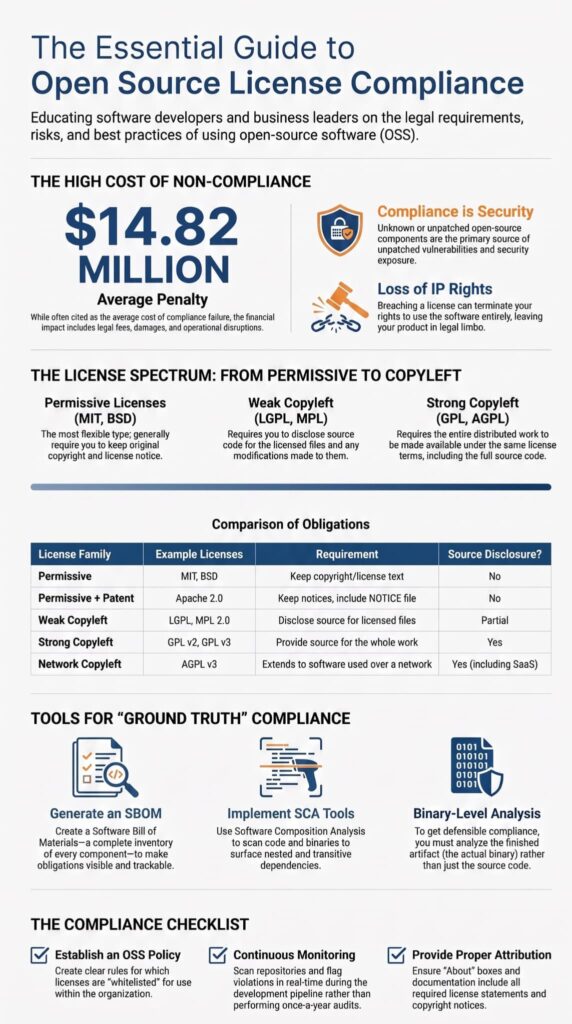
Security is only one part of managing open source software.
Licenses also need attention. They define how a package can be used, changed, or shared.
SCA checks the licenses connected to software components and helps teams understand possible restrictions before release.
Common license information includes:
- License type
- Component source
- Usage requirements
- Distribution rules
- Policy conflicts
Why Should Companies Monitor Software Licenses?
License checks help teams avoid problems later.
They support:
- Open source tracking
- Compliance reviews
- Third party library checks
- Approval processes
How Is SCA Different From SAST And DAST?
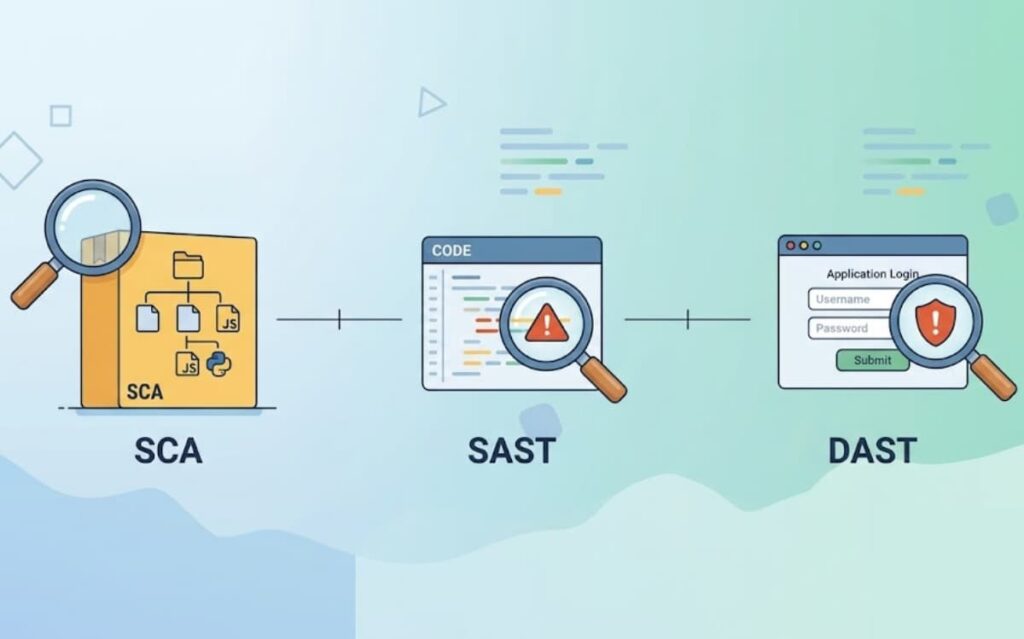
SCA, Static Application Security Testing (SAST), and Dynamic Application Security Testing (DAST) all help improve application security. The difference is what they inspect.
SCA looks at external software components. SAST reviews the code developers write. DAST tests the application while it runs.
| Security Method | Main Focus | Finds |
| SCA | External components | Dependency risks |
| SAST | Source code | Code issues |
| DAST | Running applications | Runtime problems |
Why Do Organizations Combine These Security Methods?
One tool cannot find every security problem.
Organizations usually combine:
- Secure coding
- Dependency checks
- Application testing
- Continuous reviews
Tools find problems. People still need to understand how to fix them.
Where Should SCA Be Added In DevSecOps?
Source: ThorTeaches.com: CISSP, CC, CISM, GenAI training
SCA works best when it becomes part of the development process.
Waiting until release creates more pressure. Finding a vulnerable package while code is still being developed is usually much easier.
Teams can add SCA into:
- Developer environments
- Code repositories
- CI/CD pipelines
- Artifact storage
- Release checks
FAQs
How does SCA help with unknown software dependencies?
Software Composition Analysis (SCA) helps teams discover hidden software dependencies that may not appear during normal development reviews. Through dependency scanning, component inventory, and package analysis, teams can identify direct dependencies, transitive dependencies, and third-party components. This visibility improves dependency management and reduces security risks caused by outdated or overlooked open source packages.
What is the difference between SCA and vulnerability scanning?
SCA focuses on understanding software components, while vulnerability scanning primarily identifies known security issues. Software Composition Analysis combines component inventory, vulnerability detection, license detection, and dependency analysis to provide better context. This helps teams determine which vulnerable dependencies affect their applications and prioritize remediation based on their actual risk level.
How can SCA improve open source security?
SCA improves open source security by giving teams visibility into the libraries and packages used within applications. It supports open source governance through license compliance checks, vulnerability intelligence, and continuous monitoring. By tracking component metadata and known vulnerabilities, teams can make informed decisions about updates, patch management, and maintaining long-term software assurance.
Why should developers track transitive dependencies?
Developers should track transitive dependencies because indirect libraries can introduce security risks even when they are not added directly by the team. SCA maps the dependency tree to show how components connect, helping teams identify library vulnerabilities, assess risks, and apply security remediation before issues affect production systems.
How does SCA support software supply chain security?
SCA supports software supply chain security by improving visibility across the software development lifecycle. It helps teams maintain an open source inventory, generate SBOMs, review third-party components, and monitor dependency changes. This visibility strengthens security posture by helping organizations detect risks earlier, enforce policies, and improve their overall application security process.
Secure Development Starts Earlier
Finding vulnerable dependencies early helps you avoid bigger security problems later. Fixing issues during development is easier because you can make changes before they affect released software. Waiting too long creates more pressure.
The Secure Coding Practices Bootcamp gives developers a practical way to improve secure coding skills and manage dependency risks with confidence. Through hands-on exercises, your team can learn how to include security checks in daily development and build safer software from the beginning.
References
- https://www.nist.gov/itl/executive-order-14028-improving-nations-cybersecurity/software-supply-chain-security-guidance-22
- https://www.ntia.gov/page/software-bill-materials