
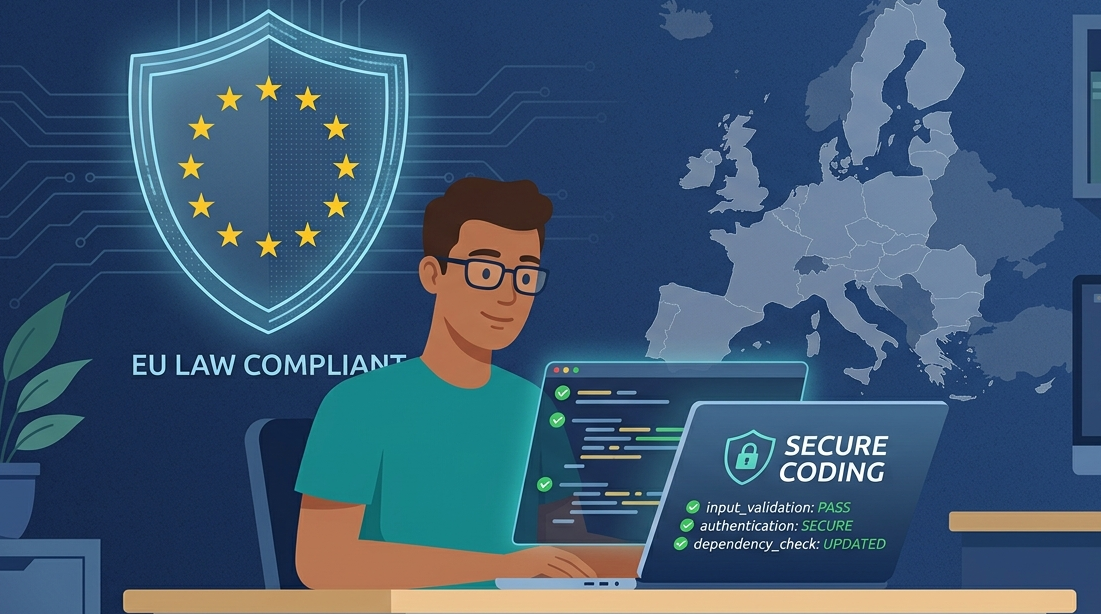

Secure coding practices are now a legal expectation in the European Union, not just a recommended guideline. With regulations like the Cyber Resilience Act and NIS2 Directive, developers are required to integrate security from the earliest stages of software development.
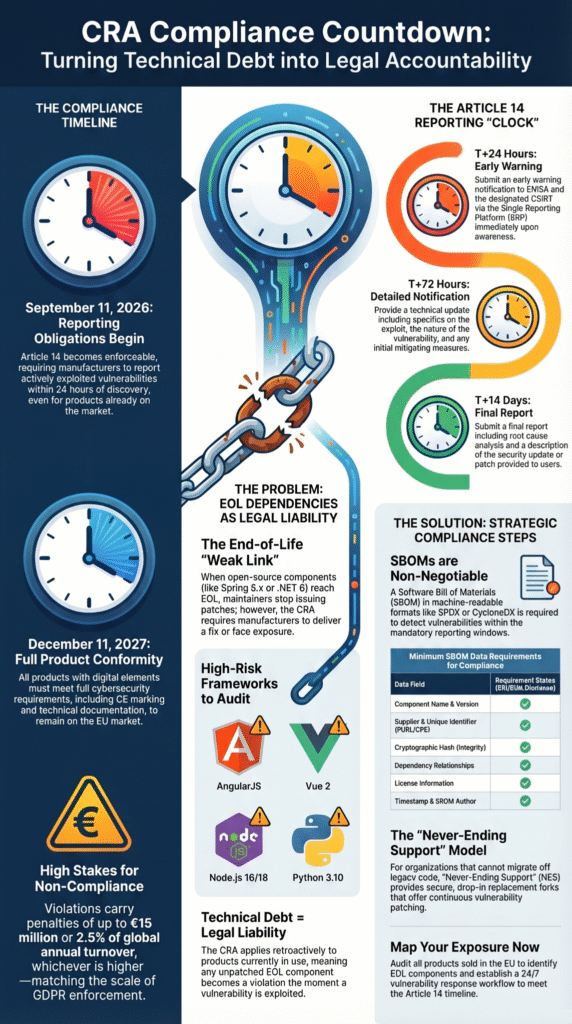
This shift changes how software is designed, built, and maintained. Understanding these legal requirements is essential for compliance and risk reduction. In this article, we break down the key laws, core practices, and what developers must do. Keep reading to understand how secure coding practices EU law.
Key Insight: Secure Coding Under EU Legal Requirements
Here are the most important points you need to understand about secure coding in the EU context:
- Secure coding is now legally required under EU cybersecurity regulations
- Security must be integrated from design, not added at the end
- Developers are responsible for preventing vulnerabilities in code
Key EU Regulations Affecting Secure Coding
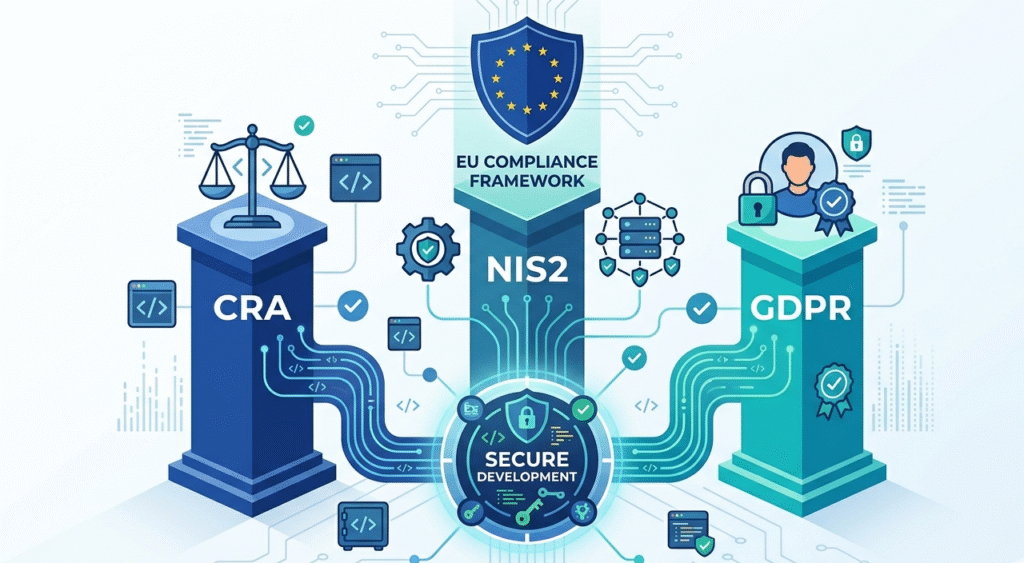
The EU has introduced several legal frameworks that directly influence how software must be developed.
| Regulation | Focus | Key Requirement for Developers |
| Cyber Resilience Act (CRA) | Product security lifecycle | Secure by design, vulnerability reporting, updates |
| NIS2 Directive | Critical infrastructure security | Risk management and secure development lifecycle |
| GDPR (supporting context) | Data protection | Secure handling of personal data and encryption |
These regulations collectively push organizations to adopt secure coding as a mandatory standard within the broader legal and regulatory context of the European digital market.
Core Secure Coding Practices Required by EU Law
Credits: RSA Conference
Developers must follow secure coding principles that align with regulatory expectations:
- Input validation to prevent injection attacks
- Strong authentication and access control mechanisms
- Encryption for sensitive data in storage and transit
- Safe error handling without exposing system details
- Continuous dependency monitoring and updates
“Security must be built in from the start of the development process” – ENISA
These practices are essential for reducing vulnerabilities and meeting software security by design EU compliance standards across all product categories.
Developer Responsibilities Under EU Compliance
Under EU law, developers are no longer only responsible for writing functional code. They are also expected to:
- Apply security principles during development to ensure all security by design CRA requirements are fully integrated into the product architecture.
- Participate in threat modeling and risk analysis
- Support vulnerability reporting processes
- Ensure third-party components are secure
- Maintain documentation for compliance audits
This expands the developer role into a security-aware engineering position.
Simple Challenges in Secure Coding for EU Law
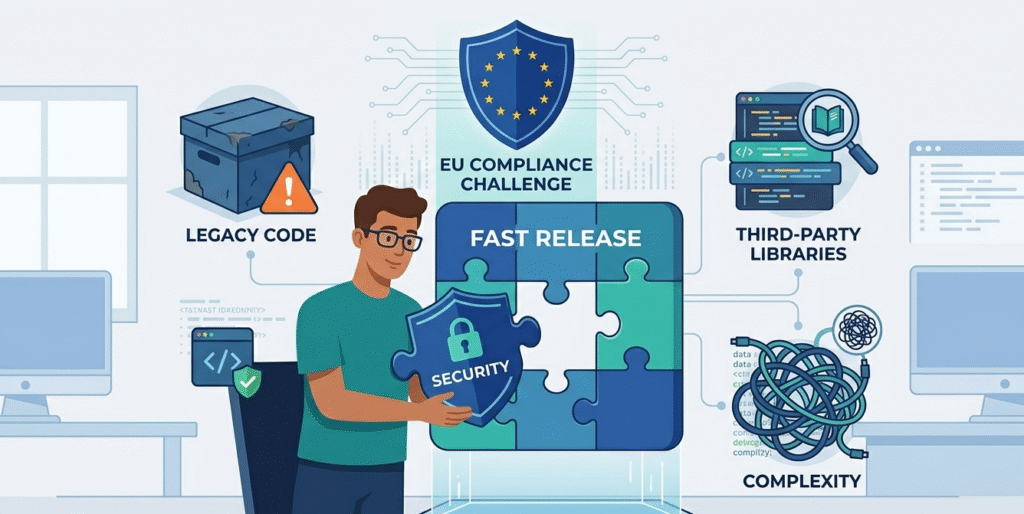
Even with EU laws like the Cyber Resilience Act and NIS2 Directive, developers still face some simple but real challenges when applying secure coding.
One common problem is limited time, where teams focus more on finishing features than checking security. Another issue is old systems, which are hard to update with modern security rules. Some developers also lack deep security knowledge, so mistakes can happen during coding.
“software security must be integrated throughout the software development lifecycle” – NIST
Another challenge is third-party code, because external libraries may contain hidden vulnerabilities. Lastly, not all teams follow the same security standards, which can create gaps in protection.
FAQ
What does secure coding mean under EU law requirements?
Secure coding under EU law means developers must build software with security built in from the beginning, not added later. It focuses on preventing vulnerabilities during design, development, and deployment.
Laws like the Cyber Resilience Act expect organizations to reduce risks, protect users, and maintain secure systems throughout the software lifecycle. Developers must think about security as part of everyday coding work, not just a final testing step before release.
How do EU regulations change daily coding practices for developers?
EU regulations change daily coding by making security a constant responsibility. Developers now need to consider risks while writing each feature, not after. This includes checking input handling, managing dependencies, and securing authentication flows.
Code reviews must include security checks, and testing must detect vulnerabilities early. It also requires better documentation and awareness of how each code change can affect overall system security and compliance obligations.
What coding mistakes can cause compliance issues in EU software laws?
Common coding mistakes include weak input validation, poor access control, unsafe data storage, and outdated libraries. These issues can lead to security vulnerabilities that violate EU requirements. Ignoring secure authentication or exposing system errors can also create compliance risks.
Under EU law, even small coding flaws can become legal problems if they lead to data breaches or system compromise, especially in critical or sensitive applications.
Why is secure development lifecycle important for EU compliance?
A secure development lifecycle is important because EU law expects security at every stage of software creation. This includes planning, coding, testing, deployment, and maintenance. Without it, vulnerabilities can slip into production systems.
It helps teams identify risks early, reduce costly fixes, and ensure consistent security standards. It also supports compliance by making security processes repeatable, documented, and easier to audit when required by regulators.
Final Thought About Secure Coding Practices EU Law
Secure coding under EU law requires developers to go beyond basic programming and adopt a security-first mindset across the entire development lifecycle. Regulations like the Cyber Resilience Act and NIS2 Directive make this mandatory for modern software teams.
To strengthen these skills in practice, developers can benefit from structured, hands-on learning. The Secure Coding Practices Bootcamp offers practical training on OWASP Top 10, authentication, encryption, and safe dependencies.
References
- https://www.enisa.europa.eu/topics/cybersecurity-education/secure-software-development
- https://csrc.nist.gov/publications/detail/sp/800-218/final