
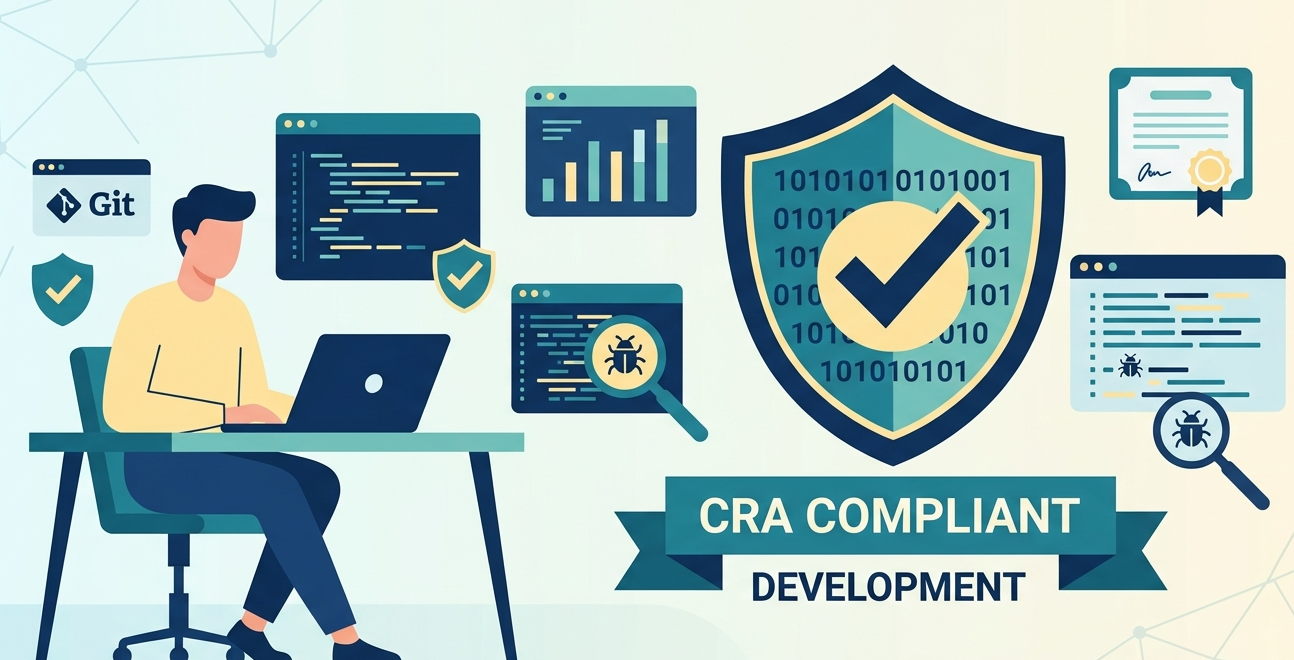

As regulatory pressure increases, organizations must ensure their software is secure from the start. From our experience, manual processes alone are not enough to meet modern security demands. Secure coding tools Cyber Resilience Act provide automated support to detect vulnerabilities early and enforce coding standards.
By integrating these tools into development workflows, teams can reduce risks, accelerate delivery, and improve compliance. Combined with secure coding practices, these tools create a strong foundation for resilient software. Keep reading to learn how to use them effectively.
Key Insights: Secure Coding Tools Cyber Resilience Act
Simple insight: tools help enforce security consistently.
- Detect vulnerabilities early in development
- Support Cyber Resilience Act compliance
- Strengthen secure coding practices
What Are Secure Coding Tools in the Cyber Resilience Act Context?
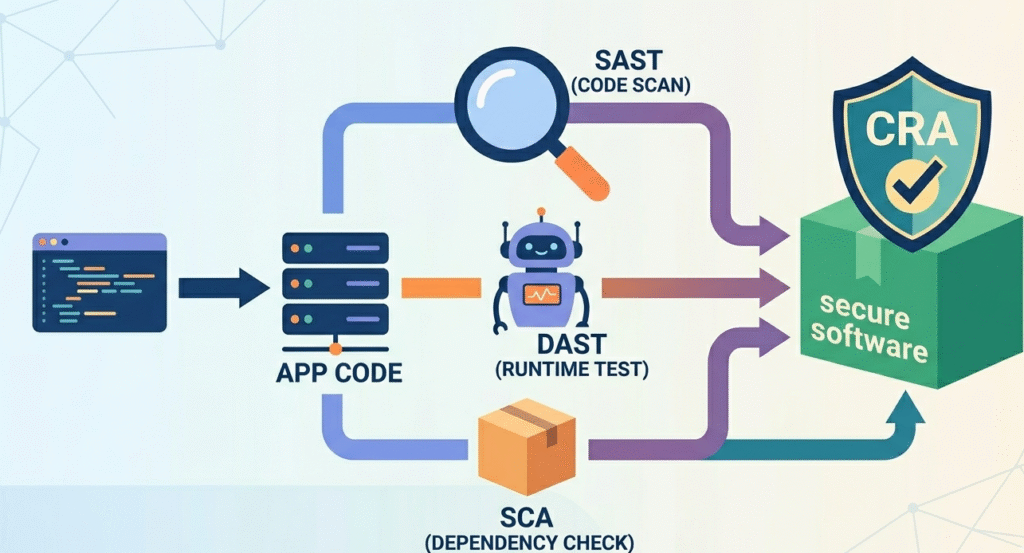
Secure coding tools Cyber Resilience Act refer to software solutions that help developers identify, prevent, and fix security issues during development.
Common types include:
- Static Application Security Testing (SAST) tools
- Dynamic Application Security Testing (DAST) tools
- Software Composition Analysis (SCA) tools
- Code quality and linting tools
From our experience, combining these tools creates a layered defense, ensuring vulnerabilities are caught at multiple stages.
Why Secure Coding Tools Matter for Compliance
Regulations emphasize proactive security throughout the development lifecycle.
- Detect issues before deployment
- Reduce cost of fixing vulnerabilities
- Improve audit readiness
- Ensure consistent coding standards
Secure coding tools Cyber Resilience Act help organizations align development with compliance requirements. When paired with a practical implementation of security standards, these tools reduce the risk of security failures significantly.
“Static program analysis is the analysis of computer software performed without actually executing programs, often used to find vulnerabilities.” – Wikipedia
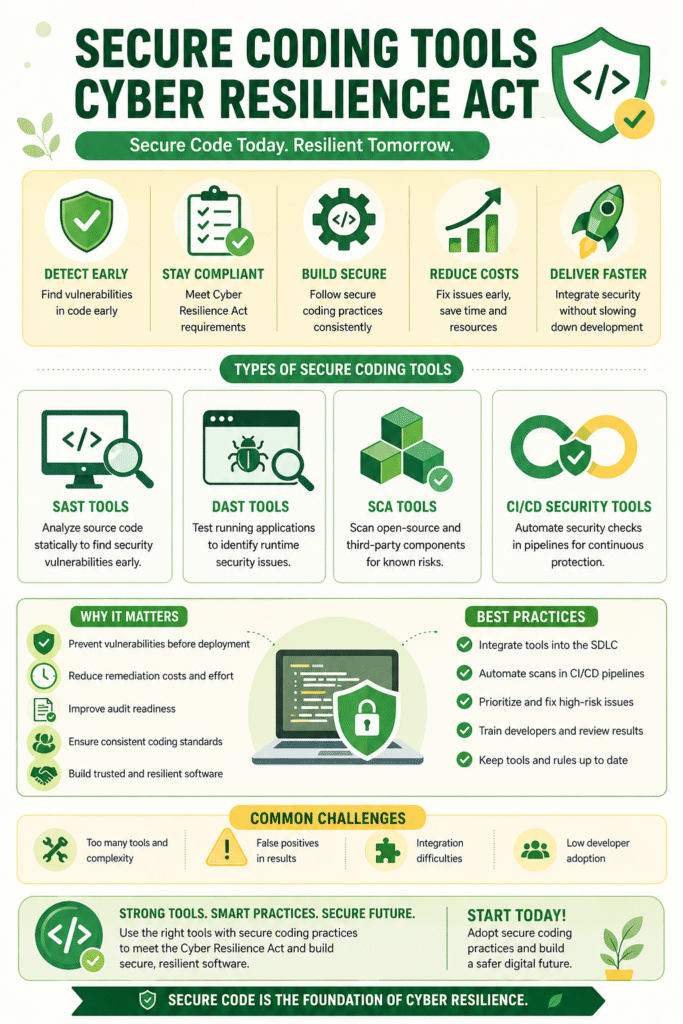
Types of Secure Coding Tools Cyber Resilience Act
Credits: Somco Software
- SAST Tools: Analyze source code for vulnerabilities early
- DAST Tools: Test running applications for security issues
- SCA Tools: Identify risks in third-party dependencies
- CI/CD Security Tools: Integrate checks into deployment pipelines
Each tool plays a role in strengthening secure coding practices and ensuring compliance with the Cyber Resilience Act.
Table: Secure Coding Tools and Their Purpose
| Tool Type | Purpose |
| SAST | Detect vulnerabilities in source code |
| DAST | Identify runtime security issues |
| SCA | Analyze third-party dependencies |
| CI/CD Tools | Automate security checks in pipelines |
Challenges in Using Secure Coding Tools
Organizations often face:
- Tool overload and complexity
- False positives in scan results
- Lack of integration with workflows
- Limited developer adoption
These challenges can reduce effectiveness. From our experience, success comes from selecting the right tools and aligning them with secure coding practices.
“Application security includes measures taken to improve the security of an application by finding, fixing, and preventing security vulnerabilities.” – Wikipedia
Best Practices for Secure Coding Tools Cyber Resilience Act
- Integrate tools into the development lifecycle
- Automate scans in CI/CD pipelines
- Prioritize vulnerabilities based on risk
- Train developers to interpret results
- Continuously update tools and rules
We’ve seen that organizations achieve the best results when tools support a secure software implementation strategy that empowers developers rather than slowing them down.
Role of Secure Coding Practices with Tools
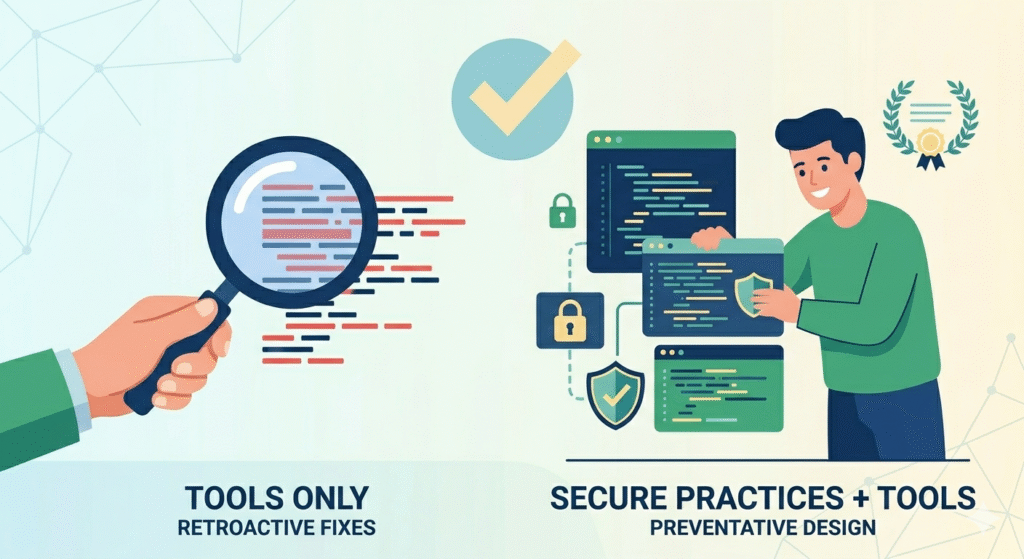
Tools alone are not enough, secure coding practices are essential.
- Ensure developers write secure code from the start
- Reduce reliance on post-development fixes
- Improve overall code quality
- Strengthen long-term resilience
Secure coding tools Cyber Resilience Act are most effective when combined with a secure coding checklist and strong development standards.
FAQ
What are secure coding tools Cyber Resilience Act?
They are tools used to detect and prevent vulnerabilities during development, helping organizations meet security and compliance requirements.
Why are these tools important for compliance?
They ensure vulnerabilities are identified early, making it easier to meet regulatory standards and reduce risk.
Can secure coding tools replace secure coding practices?
No. Tools support developers, but secure coding practices ensure security is built into the code from the beginning.
How should organizations choose the right tools?
They should consider integration, accuracy, ease of use, and alignment with development workflows.
Secure Coding Tools Cyber Resilience Act for Stronger Development
Secure coding tools and the Cyber Resilience Act (CRA) are essential for modern development, helping teams detect vulnerabilities and maintain compliance. However, tools alone are not enough. When combined with rigorous secure coding practices, organizations build resilient, high-quality software from the start.
To truly strengthen your security posture, adopt secure coding practices alongside the right tools, because secure development begins with how you write your code. Master secure development with the Secure Coding Practices Bootcamp.
References
- https://en.wikipedia.org/wiki/Static_program_analysis
- https://en.wikipedia.org/wiki/Application_security