
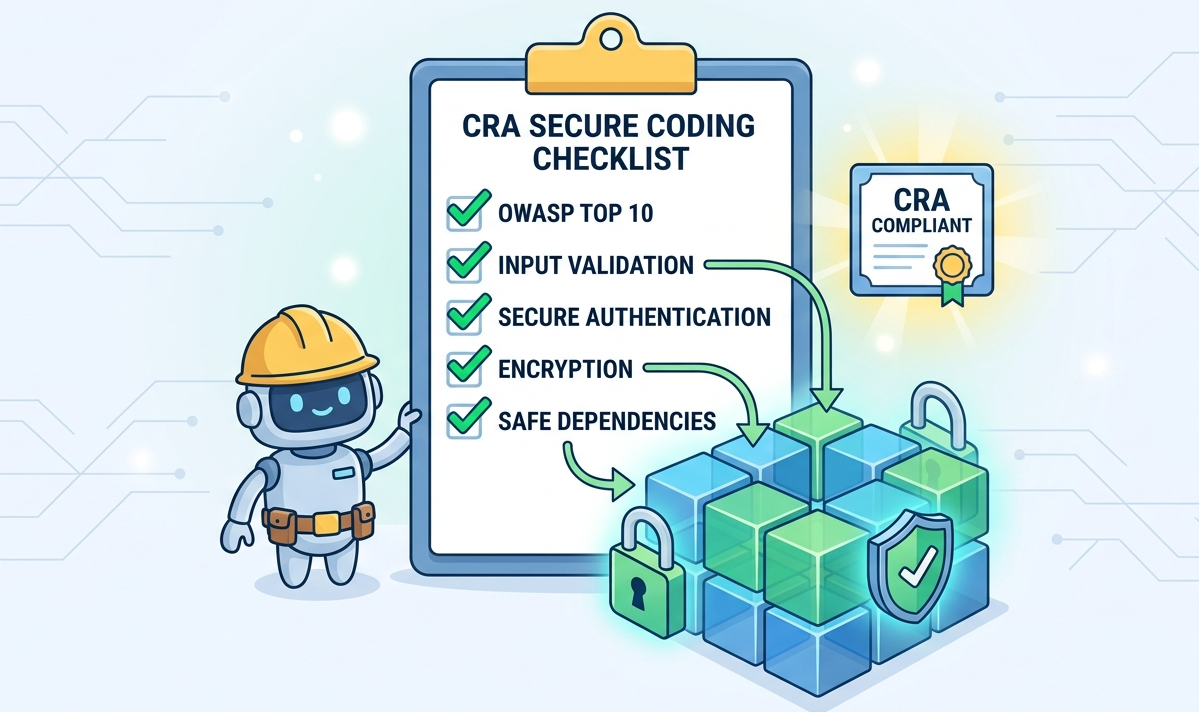

As software becomes central to business operations, regulatory expectations are increasing. The cyber resilience act secure coding checklist helps organizations align development practices with security and compliance requirements. From our experience, many risks originate during development, not after deployment.
By embedding security early, teams can reduce vulnerabilities and simplify remediation. Through structured checklists and secure coding practices, organizations can improve resilience and meet regulatory demands more effectively. Keep reading to explore how to build a practical and compliant approach.
Cyber Resilience Act Secure Coding Checklist Key Insights
Simple insight: secure code reduces risk before it starts.
- Helps meet Cyber Resilience Act requirements
- Reduces vulnerabilities during development
- Strengthens overall software security
What Is a Cyber Resilience Act Secure Coding Checklist?
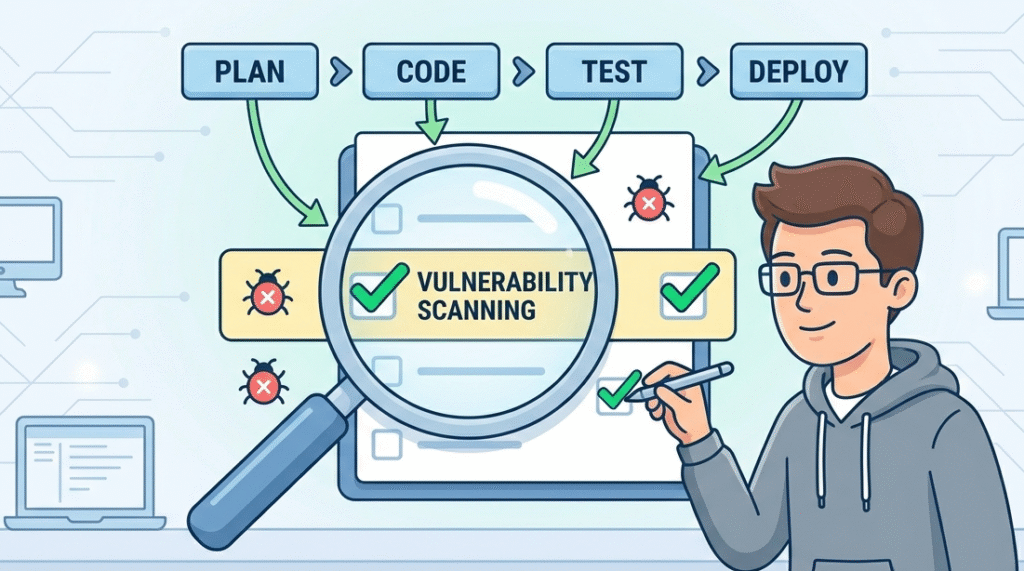
A cyber resilience act secure coding checklist is a structured set of guidelines developers follow to ensure software is secure by design.
Typical checklist areas include:
- Input validation and sanitization
- Authentication and access control
- Secure data handling
- Error and exception management
- Dependency and library security
From our experience, integrating these checks early reduces the need for extensive fixes later and supports smoother compliance processes.
Why Secure Coding Matters for Compliance
Credits: Somco Software
Regulations like the Cyber Resilience Act emphasize security throughout the software lifecycle.
- Prevents vulnerabilities before deployment
- Reduces remediation costs
- Improves audit readiness
- Enhances trust with users
Secure coding practices align directly with compliance goals. When development teams adopt a cra secure software implementation strategy, they create a proactive security culture rather than reacting to threats later.
“Secure coding is the practice of writing software in a way that guards against the accidental introduction of security vulnerabilities.” – Wikipedia
Core Components of a Cyber Resilience Act Secure Coding Checklist
A strong checklist should cover key security principles:
- Input Validation: Prevent injection and malformed data issues
- Authentication & Authorization: Ensure proper access control
- Data Protection: Encrypt sensitive data in transit and at rest
- Error Handling: Avoid exposing sensitive system details
- Dependency Management: Monitor third-party libraries
These components ensure consistent security across development workflows.
Table: Secure Coding Checklist and Purpose
| Checklist Area | Purpose |
| Input Validation | Prevent injection attacks |
| Authentication | Control user access securely |
| Data Protection | Safeguard sensitive information |
| Error Handling | Avoid information leakage |
| Dependency Security | Reduce third-party risks |
Common Challenges in Implementing Secure Coding Checklists
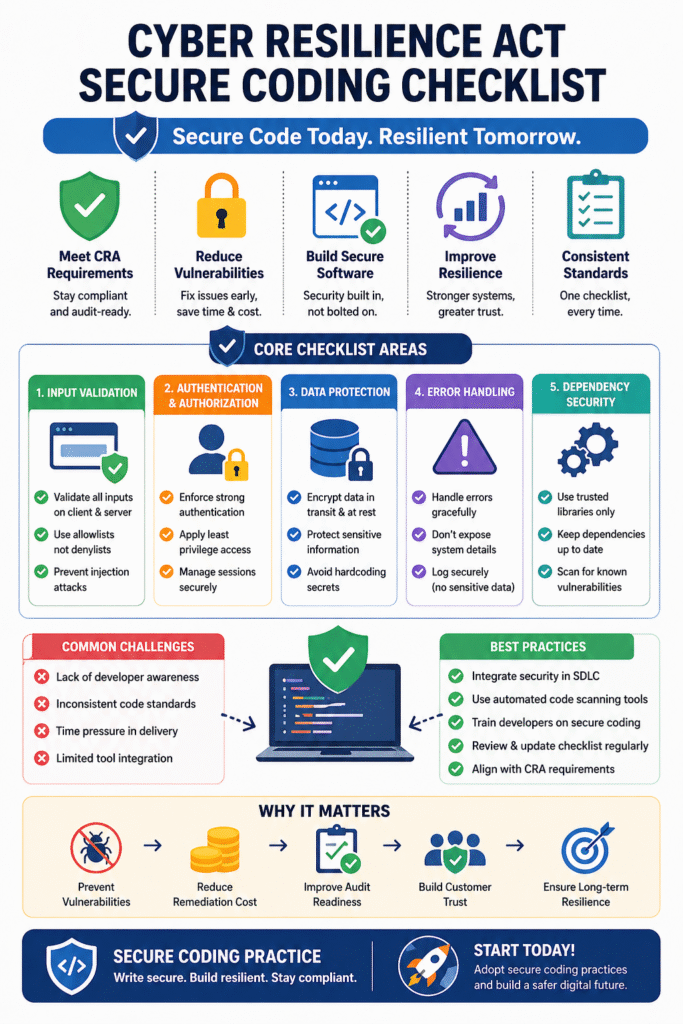
Organizations often encounter:
- Lack of developer awareness
- Inconsistent enforcement of standards
- Time pressure in development cycles
- Limited integration with tools
These challenges can weaken compliance efforts. From our experience, focusing on practical implementation and continuous training helps teams adopt secure coding practices more effectively.
“Computer security includes protection of information systems from theft or damage to hardware, software, or data.” – Wikipedia
Best Practices for Using a Cyber Resilience Act Secure Coding Checklist
- Integrate security into the development lifecycle. Use automated secure coding tools to scan for vulnerabilities.
- Use automated code scanning tools
- Provide developer training on secure coding practices
- Regularly update the checklist based on new threats
- Align checklist with compliance requirements
We’ve seen that organizations succeed when secure coding becomes part of daily development, not an afterthought.
Role of Secure Coding Practices in Long-Term Security
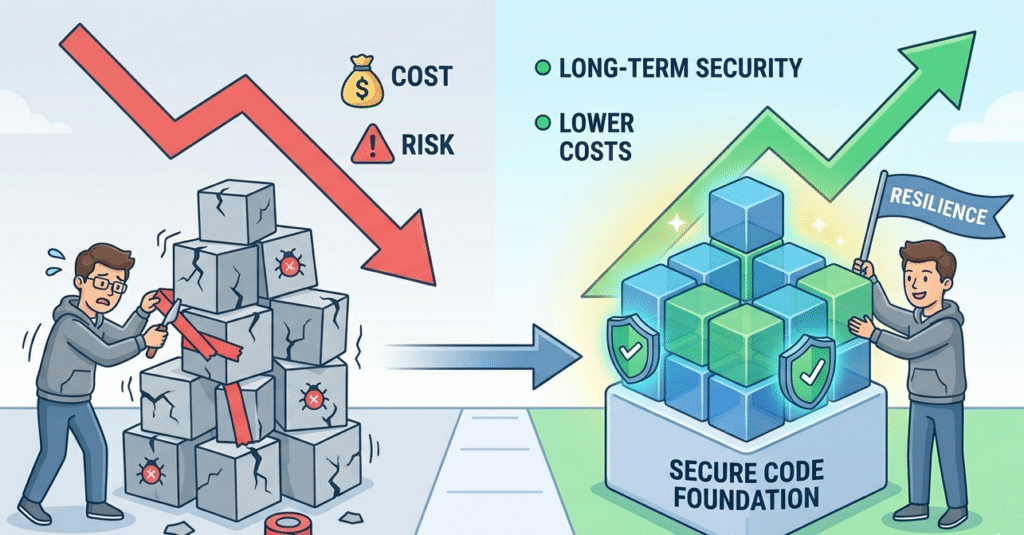
Secure coding practices go beyond compliance, they create sustainable security.
- Reduce vulnerability exposure
- Improve code quality
- Support faster and safer releases
- Strengthen overall resilience
By embedding secure coding practices into development, organizations ensure that security is proactive rather than reactive.
FAQ
What is a cyber resilience act secure coding checklist?
It is a structured list of security practices developers follow to ensure software is secure and compliant with regulatory requirements.
Why is secure coding important for compliance?
Secure coding reduces vulnerabilities early, making it easier to meet regulatory standards and avoid costly remediation later.
How often should the checklist be updated?
Regularly, especially when new threats, vulnerabilities, or regulatory updates emerge.
Can automation support secure coding?
Yes. Automated tools can scan code, detect vulnerabilities, and ensure adherence to secure coding practices.
Cyber Resilience Act Secure Coding Checklist for Stronger Software
A Cyber Resilience Act secure coding checklist is essential for building compliant software. Integrating security into every stage of development reduces risks and streamlines remediation. To strengthen your software and meet evolving regulations, start implementing these practices today.
Master the Essentials The Secure Coding Practices Bootcamp offers hands-on, real-world training tailored for developers. Gain practical skills in OWASP Top 10, encryption, and secure authentication to ship safer code from day one.
References
- https://en.wikipedia.org/wiki/Secure_coding
- https://en.wikipedia.org/wiki/Computer_security