


Insecure deserialization remains one of the most critical threats in modern web application security. Developers often treat serialized objects as safe, inadvertently creating entry points for attackers.
At Secure Coding Practices, we emphasize that applying professional security guidelines is the only way to mitigate these risks. By following these OWASP deserialization prevention tips, you build a foundation that prioritizes data integrity and system resilience.
Core Deserialization Security Principles
Mitigating the risks of data object exploits requires a defensive architecture that prioritizes strict ingestion controls.
- Serialization should never be used with untrusted data inputs.
- Strict class whitelisting is required to prevent unauthorized object instantiation.
- Security must be shifted left by integrating these checks early in the development lifecycle.
Why Do Gadget Chains Require OWASP Deserialization Prevention Tips?
Gadget chains serve as the primary mechanism for attackers to turn serialized data into executable code. These chains leverage existing methods within your application’s classpath to perform unintended actions.
Without a defensive posture, these chains often bypass traditional perimeter security. You must ensure that even if an attacker controls the data stream, they lack the tools within your environment to complete a gadget chain.
Implementing strict prevention measures effectively neutralizes these hidden paths. You cannot assume that native library settings provide adequate protection against sophisticated injection techniques.
How Do You Implement Input Validation Correctly?
- First line of defense: Input validation protects against malicious deserialization attempts, as you cannot rely on data sources to guarantee safety.
- Payload replication: Attackers frequently craft payloads that mimic legitimate object structures, making it vital to understand the dangers of insecure deserialization to secure your endpoints.
- Structure and type verification: Implement checks to verify incoming data schema before it reaches the deserialization sink, rejecting non-conforming inputs immediately.
Which Class Whitelisting Methods Offer the Strongest Protection?
Class whitelisting acts as an allow-list for your deserializer, ensuring only safe object types are reconstructed. This strategy limits the attack surface significantly.
You must define the exact set of classes allowed for deserialization. If a received object does not match the whitelist, the application must immediately throw an exception and terminate the process.
This preventative approach ensures that attackers cannot force your application to instantiate unintended classes. It effectively breaks the chain required for successful exploitation.
What Are the Most Effective Mitigation Strategies for Serialization?
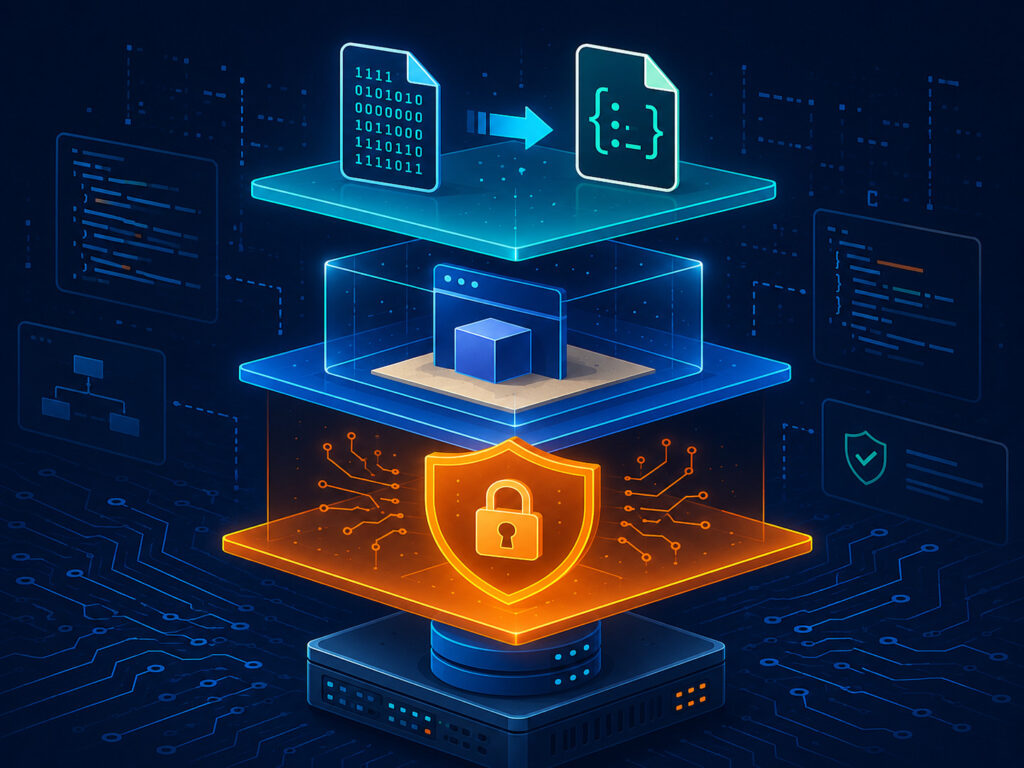
Building a resilient architecture requires more than just code-level changes. You must adopt a systematic approach to managing serialized data across all system components.
For specific examples of how these failures manifest, study insecure deserialization attack examples in Java to identify potential gaps in your own logic.
| Mitigation Strategy | Effectiveness | Implementation Complexity |
| Data Format Replacement | Very High | High |
| Class Whitelisting | High | Medium |
| Integrity Signatures | Medium | Low |
| Environment Isolation | Medium | Medium |
What are the best ways to isolate serialization processes?
Run your deserialization logic within a sandbox or a containerized environment to limit the scope of impact if an attacker achieves code execution.
Isolation prevents a single vulnerability from escalating into a full system compromise by restricting what the application can access.
“A sandbox is an isolated execution environment that enables programs to access only those resources that they are authorized to access.” – NIST Glossary
You should implement the following isolation techniques:
- Process Sandboxing: Execute deserialization tasks in a separate process with minimal privileges.
- Containerization: Use Docker or similar technologies to enforce resource boundaries and file system access.
- Network Restriction: Prevent the deserialization service from communicating with internal database servers or sensitive APIs.
How can you effectively update and audit your dependencies?
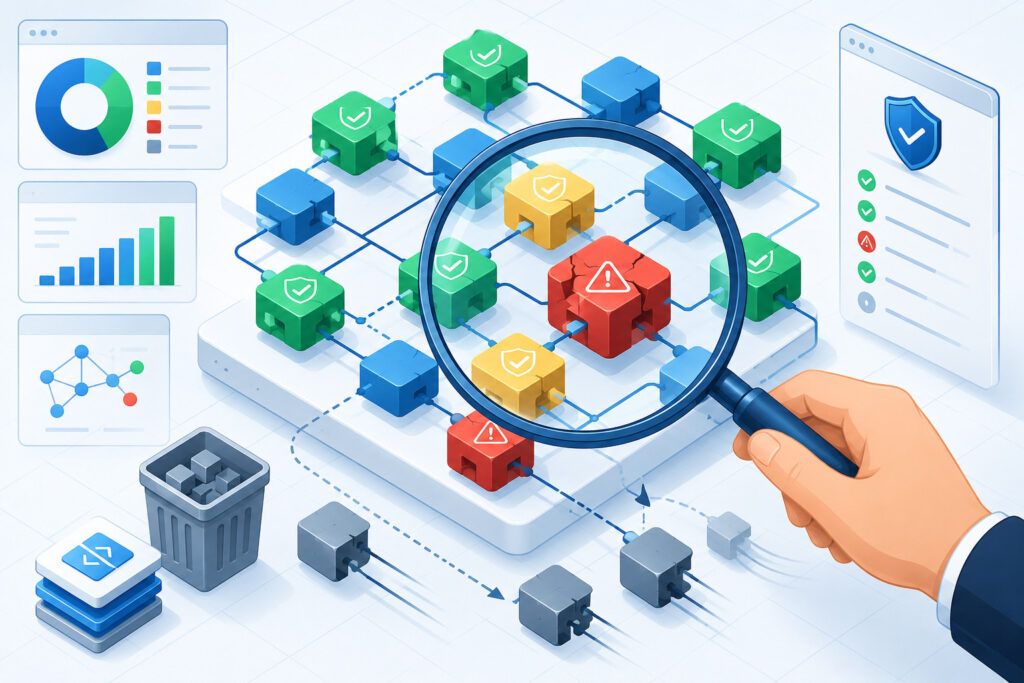
Third-party libraries often contain hidden gadget chains that attackers can weaponize even if your own code is secure. Automated auditing tools must be a permanent part of your CI/CD pipeline to identify these vulnerabilities immediately.
Follow these dependency management practices to maintain a secure environment:
- Software Composition Analysis (SCA): Run regular scans to identify known vulnerabilities in your libraries.
- Dependency Pinning: Freeze your dependency versions to prevent unexpected code changes from introducing new gadgets.
- Library Pruning: Remove unused libraries from your codebase to reduce the overall attack surface.
How do you integrate these protections into your existing application logic?
Retrofitting security into legacy code is challenging, but it is necessary to prevent persistent deserialization risks. You must audit your application to identify every sink that accepts serialized objects.
To master these defensive coding techniques in your specific environment, refer to our guide on preventing insecure deserialization in .NET and PHP.
“Successful remediation requires a comprehensive understanding of how data flows through the application architecture.” – Deserialization Cheat Sheet
- Log Injection Points: Document every location where untrusted data is accepted.
- Apply Middleware: Use interception layers to validate and filter data streams before they reach the main application logic.
- Continuous Monitoring: Track deserialization exceptions to detect and respond to potential reconnaissance attempts by attackers.
How can you detect complex gadget chains during analysis?

Detecting gadget chains requires a blend of static analysis and dynamic observation. You must look beyond your own code to understand the third-party libraries that compose your application stack.
Many developers assume that using a standard library ensures safety, but these libraries often contain complex gadget chains that attackers have already mapped out. To identify these chains, follow these systematic analysis steps:
- Perform Static Code Analysis: Use automated tools to scan your codebase for dangerous sinks where untrusted data is deserialized. This identifies where you might be exposed.
- Map Classpath Dependencies: Document every library used in your application. Check these against databases that track known gadget chains to see if your dependencies are vulnerable.
- Trace Data Sinks: Follow the flow of user-controlled data into your application. If a byte stream reaches a deserialization sink without prior validation, flag it for immediate review.
By mapping these chains, you gain the visibility required to remediate risks before they are exploited in the wild.
Why is the remote code execution deserialization impact so severe?
The primary danger of deserialization lies in the capability for an attacker to gain full server control. When an attacker successfully triggers a gadget chain, they can execute arbitrary commands with the same privileges as the application process.
This allows them to perform several malicious actions:
- Exfiltrate Sensitive Data: Gain direct access to your database or configuration files, potentially leaking customer information or proprietary code.
- Establish Persistence: Install backdoors that ensure the attacker maintains access even after the application restarts or the initial vulnerability is patched.
- Lateral Movement: Use the compromised application as a pivot point to attack other internal systems that are not directly exposed to the internet.
- Deploy Malware: Run unauthorized processes, such as cryptominers or ransomware, directly on your production infrastructure.
The severity stems from the fact that the application itself executes the malicious payload. Because the server trusts the code that it is running, traditional security controls often fail to detect the attack, making this a high-priority threat.
How should you report your testing findings?
Reporting your results after testing requires more than just identifying the presence of a flaw. Because these vulnerabilities are complex, your report must clearly articulate the risk to stakeholders.
A high-quality report helps security teams prioritize remediation and justifies the necessary engineering resources. Before finalizing your documentation, ensure you understand the full scope of potential business impacts by reviewing our preventing insecure deserialization in .NET and PHP guide.
When documenting your findings, ensure you include:
- Business Context: Explain how this vulnerability affects specific business assets. Does it expose customer records, credentials, or proprietary algorithms?
- Proof of Concept (PoC): Provide a clear, reproducible exploit payload that demonstrates the vulnerability without causing irreversible damage.
- Impact Assessment: Detail exactly what an attacker could achieve. For instance, describe how the flaw leads to unauthorized file access or data manipulation.
- Gadget Chain Trace: Document the path from the sink to the final execution of the malicious command. This helps developers understand which specific libraries or methods are responsible.
How Can You Remediate Deserialization Vulnerabilities?
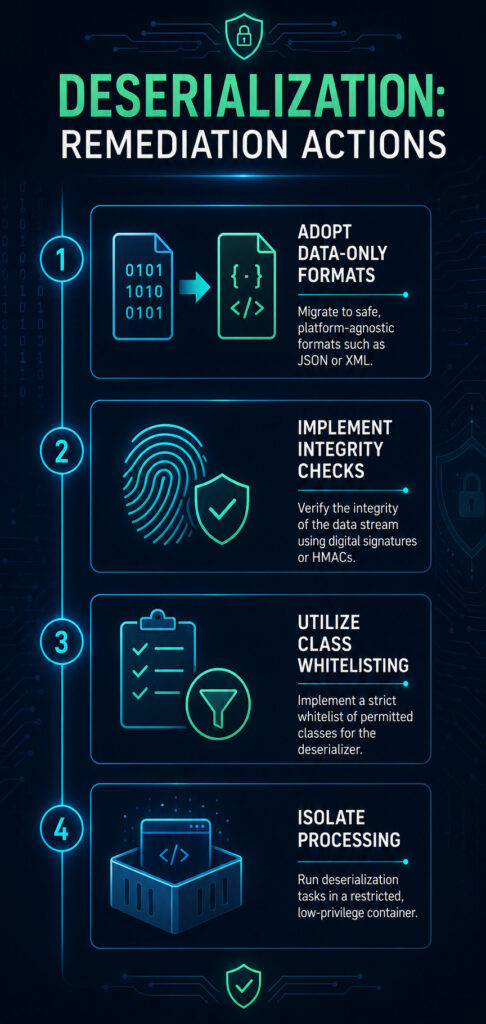
Remediation is not just about patching the code; it is about changing how your application handles data. Once you have identified a vulnerability, you must prioritize moving your application toward a more secure data-handling architecture.
For a detailed roadmap on securing your specific stack:
- Adopt Data-Only Formats: Whenever possible, migrate away from native serialization libraries to safe, platform-agnostic formats such as JSON or XML.
- Implement Strict Integrity Checks: Always verify the integrity of the data stream using digital signatures or HMACs to ensure the data has not been tampered with in transit.
- Utilize Class Whitelisting: If your application relies on a deserializer that supports class filtering, implement a strict whitelist of permitted classes.
- Isolate Processing: Run deserialization tasks in a restricted, low-privilege container.
FAQ
Are certain development environments more susceptible to these vulnerabilities?
Deserialization flaws are not limited to any specific language or framework. While they were historically associated with Java, modern web applications built on PHP, Python, Ruby, and .NET frequently encounter these issues when processing serialized data.
Can a Web Application Firewall provide full protection against these attacks?
Web Application Firewalls offer limited efficacy against deserialization attacks. They are designed to catch known patterns, but they often fail to identify complex, custom gadget chains that are unique to your application’s classpath.
What mitigation steps are necessary if I cannot immediately update a vulnerable library?
If immediate updates are not feasible, you must implement compensating controls. This includes running the deserialization process in a highly restricted, low-privilege sandbox and applying strict class whitelisting to prevent unintended object instantiation.
Is the deserialization of JSON objects inherently safer than binary formats?
JSON is generally safer than native binary serialization, but it is not immune to risk. If your parser is configured to instantiate complex objects or execute logic during the parsing phase, it remains vulnerable to object injection and manipulation.
What is the recommended frequency for auditing serialization logic?
You should treat serialization logic as a high-risk attack surface. Audit these components during every major library update, whenever the object structure changes, or during scheduled quarterly security assessments.
Building Safer Applications with Proven Security Practices
OWASP deserialization prevention tips provide developers with practical guidance for reducing the risks associated with insecure deserialization. By validating untrusted data, restricting object deserialization, implementing integrity checks, and following secure coding best practices, organizations can significantly reduce opportunities for attackers to manipulate application behavior. Applying these recommendations throughout the software development lifecycle helps create more resilient applications that are better prepared to withstand evolving security threats.
Ready to strengthen your secure development and security practices? Join the Secure Coding Practices Bootcamp and learn practical, hands-on techniques for preventing deserialization vulnerabilities, applying OWASP security recommendations, and building resilient applications from day one.
References
- https://csrc.nist.gov/glossary/term/sandbox
- https://cheatsheetseries.owasp.org/cheatsheets/Deserialization_Cheat_Sheet.html