


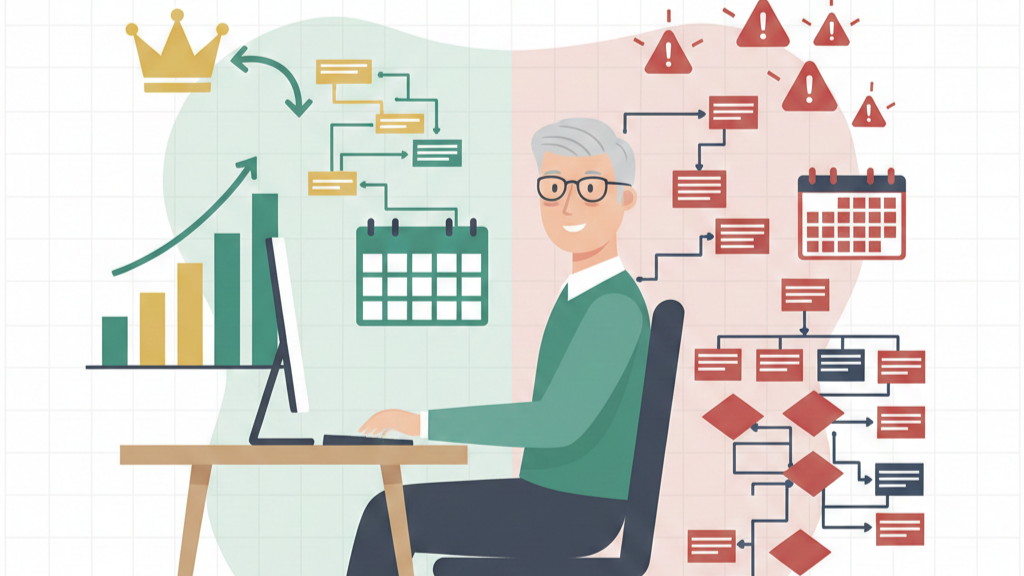
The senior developer’s role is a trade. You exchange the comfort of pure coding for a seat at the table, trading lines of code for lines of influence. It means more money, sure, and the deep satisfaction of shaping systems. But it also brings a different kind of work, a constant hum of accountability that never really switches off.
Is it worth it? Let’s lay out the real pros and cons, the tangible rewards and the hidden taxes, so you can decide if this is your next right step. Keep reading to see where you might fit in this equation.
Key Takeaways
- Senior roles offer major financial gains and strategic impact, but replace coding time with leadership duties.
- Job security becomes paradoxical, with high demand but also high vulnerability during organizational cuts.
- The core shift is from being a problem-solver to a problem-preventer, requiring constant learning and soft skills.
The Upside: Pay, Purpose, and Pulling the Levers
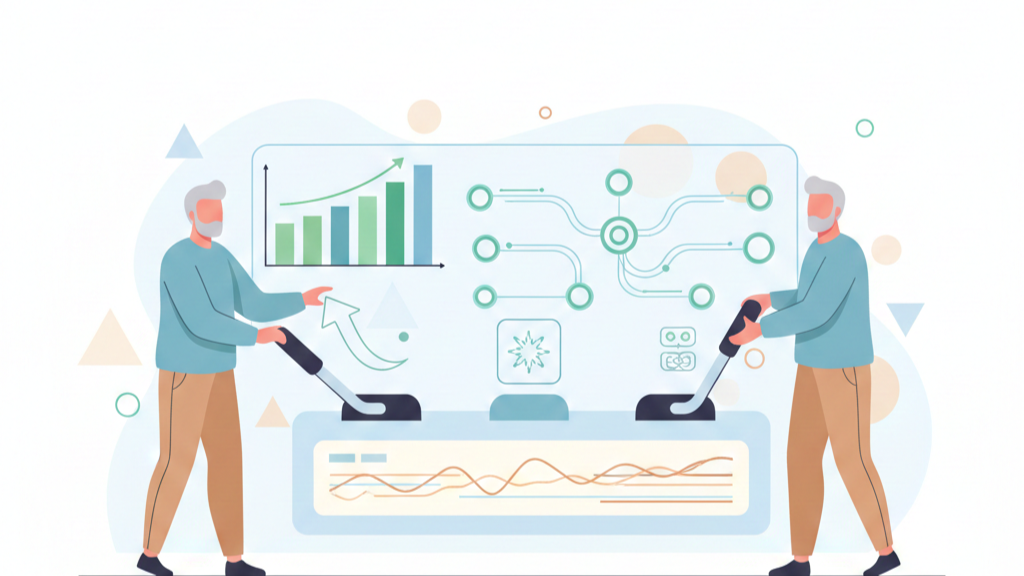
The first signal of seniority usually lands in two places: your paycheck and your responsibilities. Pay often jumps 33%–63% over mid-level roles, and that gap is tied to risk, not just years. Companies are paying for the person who can say, “This won’t scale,” or “This design isn’t safe,” before it turns into an outage or an incident.
| Aspect | Mid-Level Developer | Senior Developer |
| Average Pay Range | Baseline | 33%–63% higher |
| Primary Value | Feature delivery | Risk reduction and system foresight |
| Decision Authority | Limited to tasks | Influences architecture and direction |
| Scope of Impact | Single service or feature | Cross-system and long-term |
| Risk Ownership | Low to moderate | High and visible |
In our secure development bootcamps, we watch that mindset form. Developers stop just “building features” and start thinking like guardians of the system. They:
- Trace data flow through services and trust boundaries
- Question how APIs could be abused
- Design features to survive scale, failure, and attacks
Many engineers today debate the pros and cons of vibe vs traditional coding approaches, choosing speed and experimentation versus control and predictability, which reflects similar shifts in how seniors think about system risk and long-term design.
Strategic Impact: From Tickets to Trust
The deeper upside lives in how much your judgment starts to matter. As a senior, you’re not just in the meeting, you’re steering it. Teams lean on seniors to:
- Push back on insecure shortcuts
- Turn vague product ideas into safe, realistic designs
- Lead threat modeling and risk conversations
From our side as a secure development bootcamp, we see how this changes behavior. Someone who once said, “Security will handle that,” becomes the one warning, “If we deploy this, we’re open to injection or data leaks.”
Mentorship becomes routine, almost quiet. You show a junior why logging secrets is dangerous, or how to design for least privilege, and suddenly the whole team writes safer code. You’re not only implementing the roadmap anymore; you’re trusted to redraw parts of it so the product can grow without breaking, or leaking.
The Other Side of the Coin: Pressure, Politics, and Being on the Hook
When budgets tighten, teams often question whether AI-driven coding actually speeds up development and if the cost of faster prototypes outweighs the long-term maintenance burden. It’s a quiet paradox: seniors are needed most when risk is high, yet they’re also more exposed when leadership starts cutting costs.
| Dimension | Mid-Level Experience | Senior-Level Reality |
| Stress Source | Deadlines and tickets | Decisions and consequences |
| Job Security | Stable, less scrutinized | High demand but high visibility |
| Interview Focus | Coding ability | Trade-offs, design, and judgment |
| Learning Load | Optional growth | Continuous and expected |
| Accountability | Individual output | Team and system outcomes |
From what we see in our secure development bootcamps, senior roles often come with a different kind of tension:
- More influence, but also more visibility when things go wrong
- Stronger bargaining power, but fewer truly good openings
- Interviews that test philosophy, not just code
Hiring loops for seniors lean hard into system design, trade-offs, and “how would you secure this?” questions. The tricky part is that standards shift wildly between companies. One panel wants deep security architecture, another wants people leadership stories, and a third wants both at once.
Perpetual Homework and Security-Heavy Stress
The stress itself changes shape. Mid-level engineers usually worry about “Can I ship this on time?” Seniors worry, “Did I guide this the right way, and is it safe?” That pressure often comes from three directions at once:
- Upwards: translating business goals into realistic, secure technical plans
- Sideways: debating constraints with product, design, and security teams
- Downwards: mentoring without smothering, reviewing without blocking
In our training sessions, we see seniors replaying one incident in their heads, an avoidable bug, a missed threat model, a weak access control decision. That kind of miss can linger.
On top of that sits the perpetual homework. New cloud models, changing security threats, evolving frameworks, you’re expected to keep up while:
- Sitting in more meetings
- Writing more docs and RFCs
- Reviewing more code than you write
For many seniors, real coding time drops to 20–30% of the week. If learning and rest aren’t guarded on purpose, burnout doesn’t show up as drama, it just arrives as quiet exhaustion.[1]
Navigating the Daily Reality: Where the Rubber Meets the Road
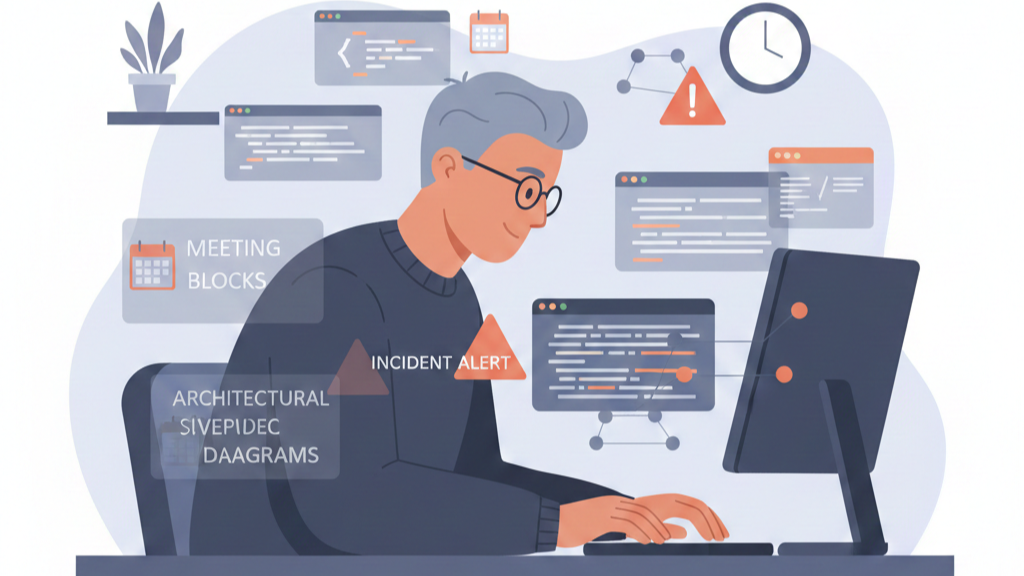
On a random Tuesday afternoon, the job feels less like typing and more like thinking. You might be in a pull request, scanning not just for syntax, but for design choices, race conditions, and those quiet edge cases nobody wrote down.
Someone else is in a meeting, arguing calmly over whether to spin up a new microservice or stretch the old workhorse one more time. Sometimes we realize the problem is too big for a Jira ticket, so we write a design doc instead, forcing ourselves to make the trade-offs concrete.
From what we’ve seen in our bootcamps, the real toolkit looks like this:
- Clear, calm communication in reviews and handoffs
- Simple explanations of complex security ideas for non-technical stakeholders
- Secure coding habits baked into every PR, not parked in a policy PDF
Sooner or later, every senior engineer learns the same lesson: you become a force multiplier. Our value shifts from “what I shipped” to “what the team can ship safely.” We’re not trying to be the smartest in the room; we’re trying to make secure, thoughtful development the default for everyone around us.[2]
Is This Your Path? A Framework for Choosing
Credits: Chris Sean
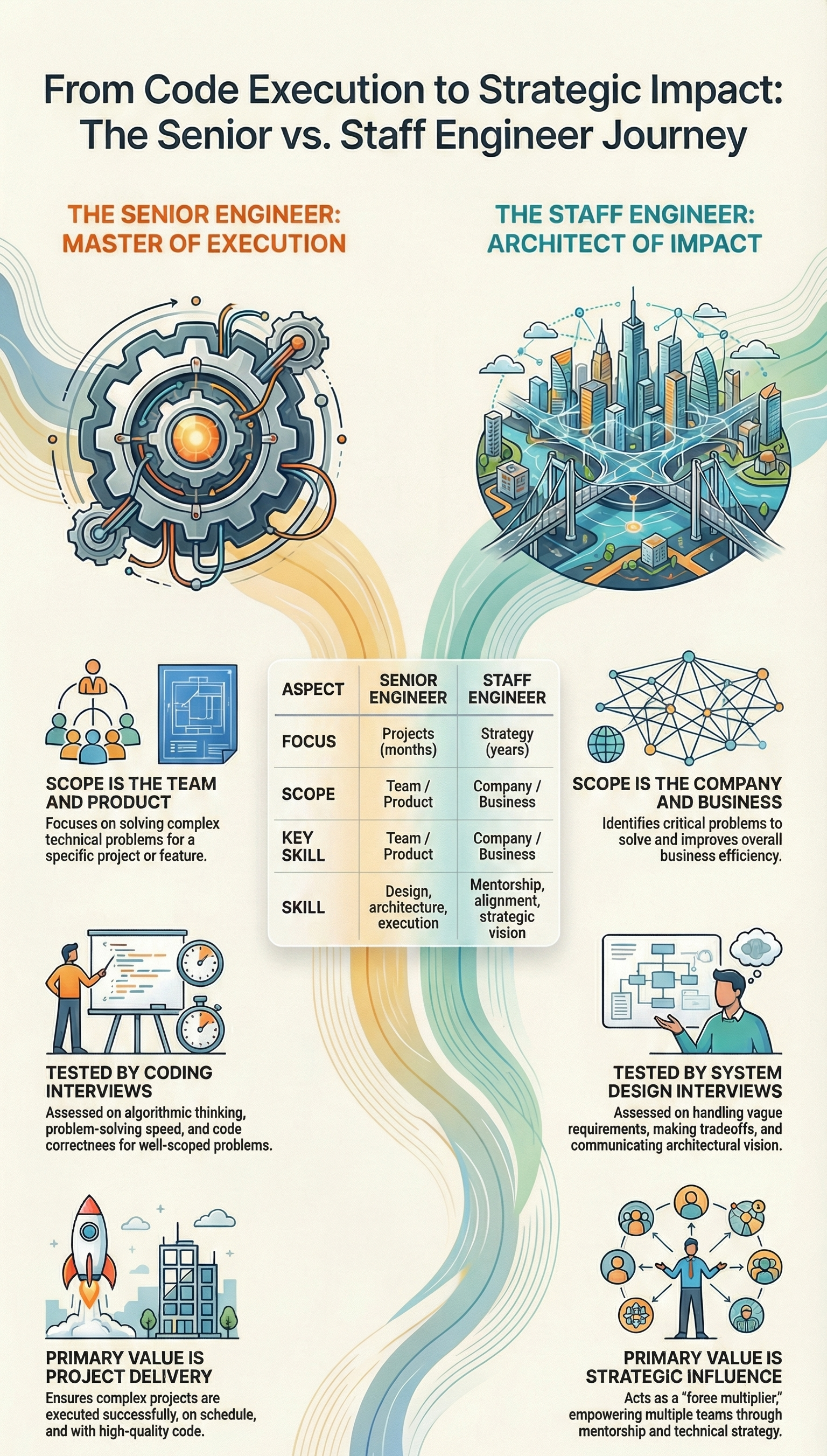
The decision to pursue or accept a senior role isn’t just about skill, it’s about appetite. Look at the trade as a whole. On one side: higher compensation, strategic influence, and teaching others. On the other: less coding, more meetings, constant learning pressure, and the burden of broader accountability.
This role might be for you if you get a thrill from connecting technical decisions to business outcomes. If you find genuine joy in mentoring and seeing others grow. If you can tolerate ambiguity and defend your ideas without taking criticism personally. You need a stomach for occasional office politics and the resilience to be the designated blame absorber when things go south.
There’s why some developers choose traditional coding over newer paradigms, they want fewer meetings and more pure problem-solving, which is a different kind of senior path that doesn’t carry the same breadth of accountability. If the thought of back-to-back meetings and writing long-form documents drains you. There’s no shame in that.
The tech industry needs brilliant individual contributors who operate at the staff or principal level, diving deep into specific technical realms without the people leadership tax. That’s a different, equally valid, senior path.
FAQ
What are senior dev responsibilities beyond coding day to day?
A senior software developer handles senior dev responsibilities beyond writing code. The role includes technical leadership, system architecture design, and architectural decisions across the software development lifecycle.
You guide the code review process, ensure code quality assurance, and support agile methodology senior teams. Many also oversee devops practices advanced, scalability best practices, and software project management.
How do senior developer pros and cons affect work life balance?
Senior developer pros include higher pay, influence, and job security seniors. Senior developer cons include a high pressure environment, tighter deadline adherence senior demands, and burnout prevention senior challenges.
Layoff risks developers still exist, even with experience. Many seniors focus on time management senior skills and work life balance dev habits to reduce long-term stress.
Which technical skills matter most for a lead developer today?
A lead developer needs strong full stack senior skills, from frontend backend lead work to API development senior tasks. Common areas include javascript expertise senior, python senior developer, java senior dev, and sql advanced queries.
Cloud architecture senior knowledge, ci cd pipelines senior, unit testing mastery, security best practices code, and performance optimization are also important.
How does a software engineer career move from mid level to senior level?
Career progression dev usually moves from mid level to senior through impact, not titles. Hiring teams look for problem solving complex skills, mentoring juniors, and system design interview readiness.
Strong resume senior developer examples, github senior dev projects, and open source contributions help. Network building devs and clear communication skills tech also improve chances.
What risks do seniors manage during large software projects?
Senior developers manage risk management dev issues like budget constraints software, estimation accuracy projects, and stakeholder communication. They work with cross functional teams, guide feasibility studies software, and protect deadline adherence senior goals.
When incidents occur, seniors lead root cause analysis, incident response lead actions, and maintain steady team collaboration.
The Final Weigh-In
The senior developer bargain is real: more pay and influence, matched by pressure and distance from hands-on craft. There’s no right answer, only timing. Ask what you want work to feel like in two years, defining the why and guiding others, or solving the hardest problems yourself. Both are senior paths. Choose the pressure you want. If you’re ready to sharpen that edge, join the Secure Coding Practices Bootcamp.
References
- https://www.chainguard.dev/2026-engineering-reality-report
- https://owasp.org/www-project-secure-coding-dojo/
Related Articles
